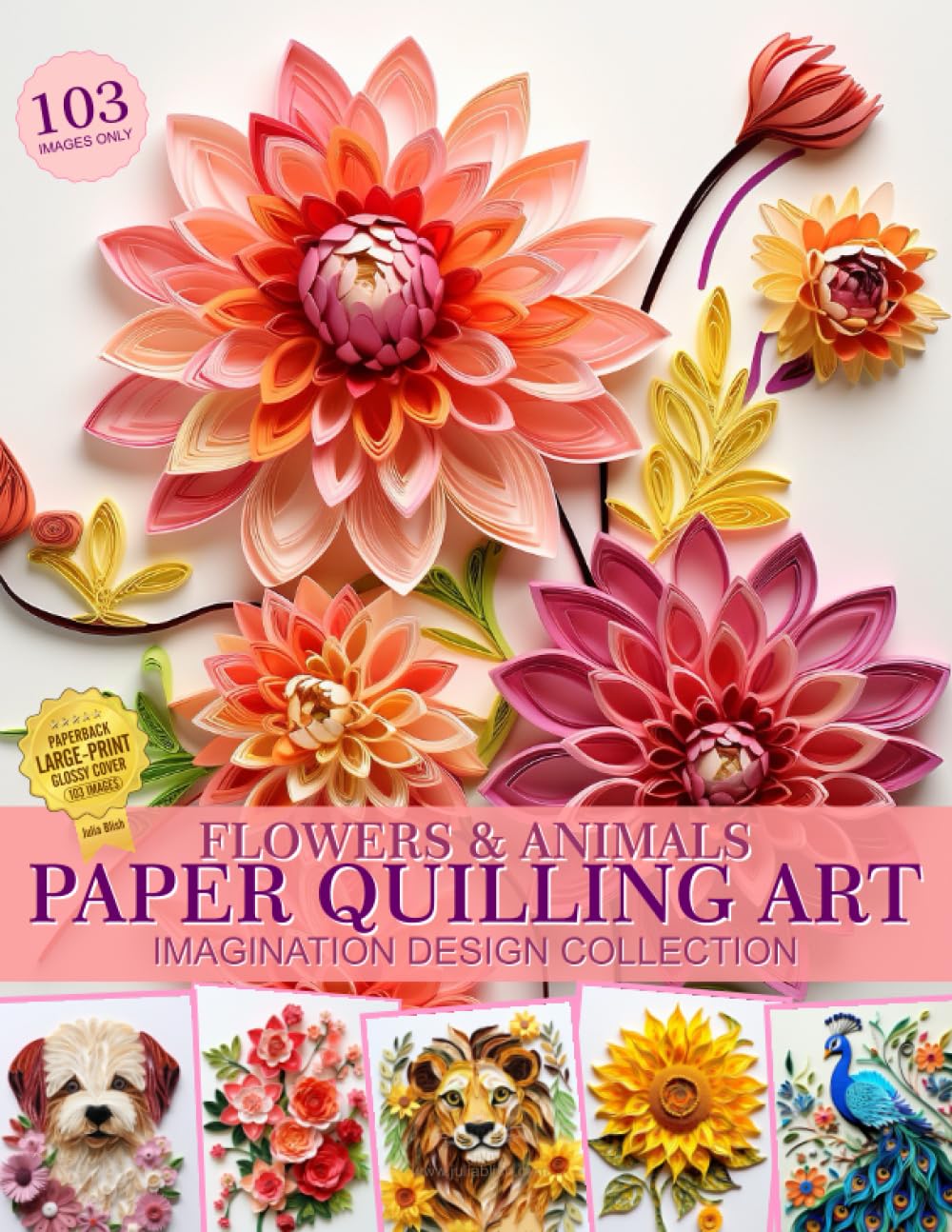
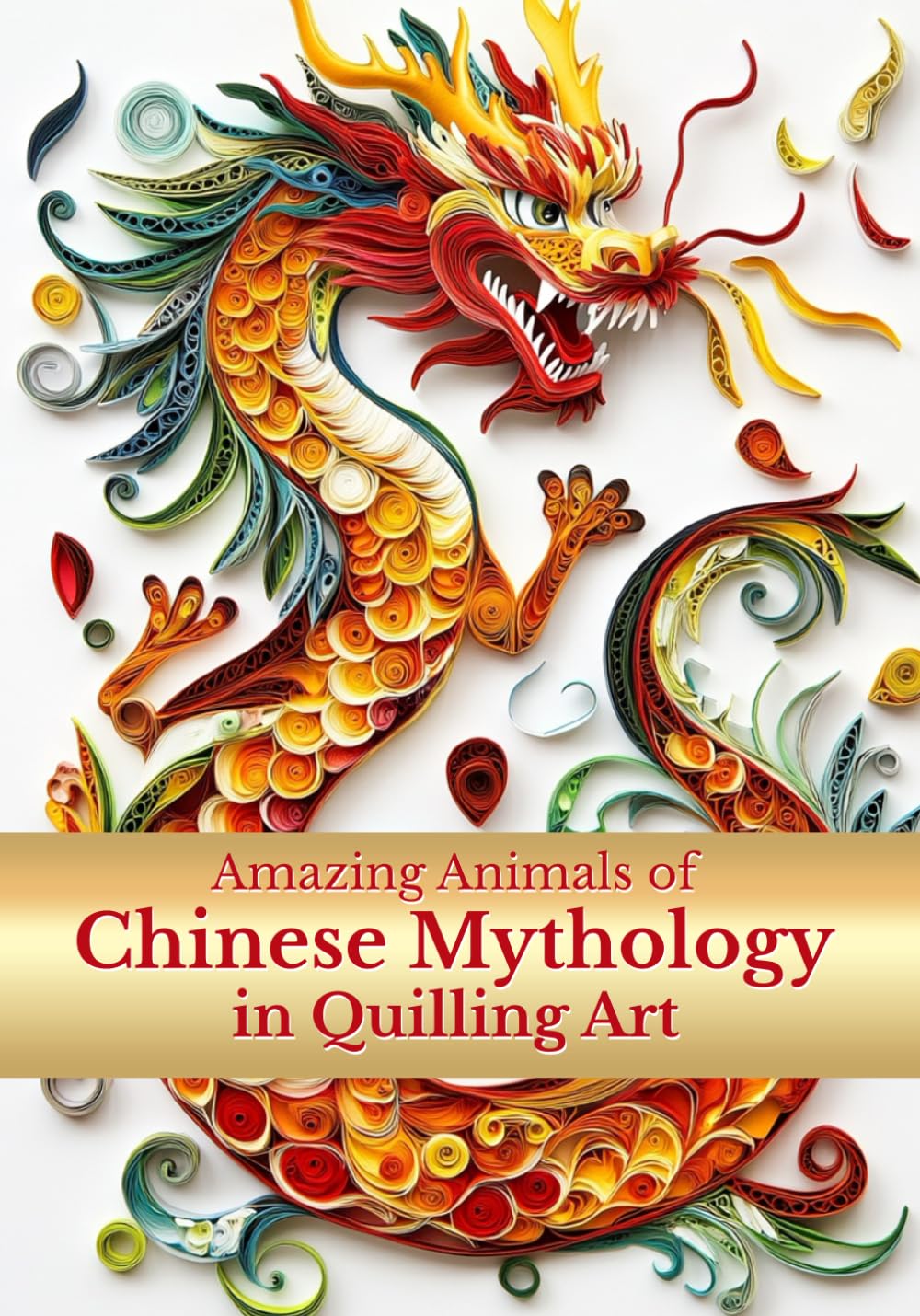
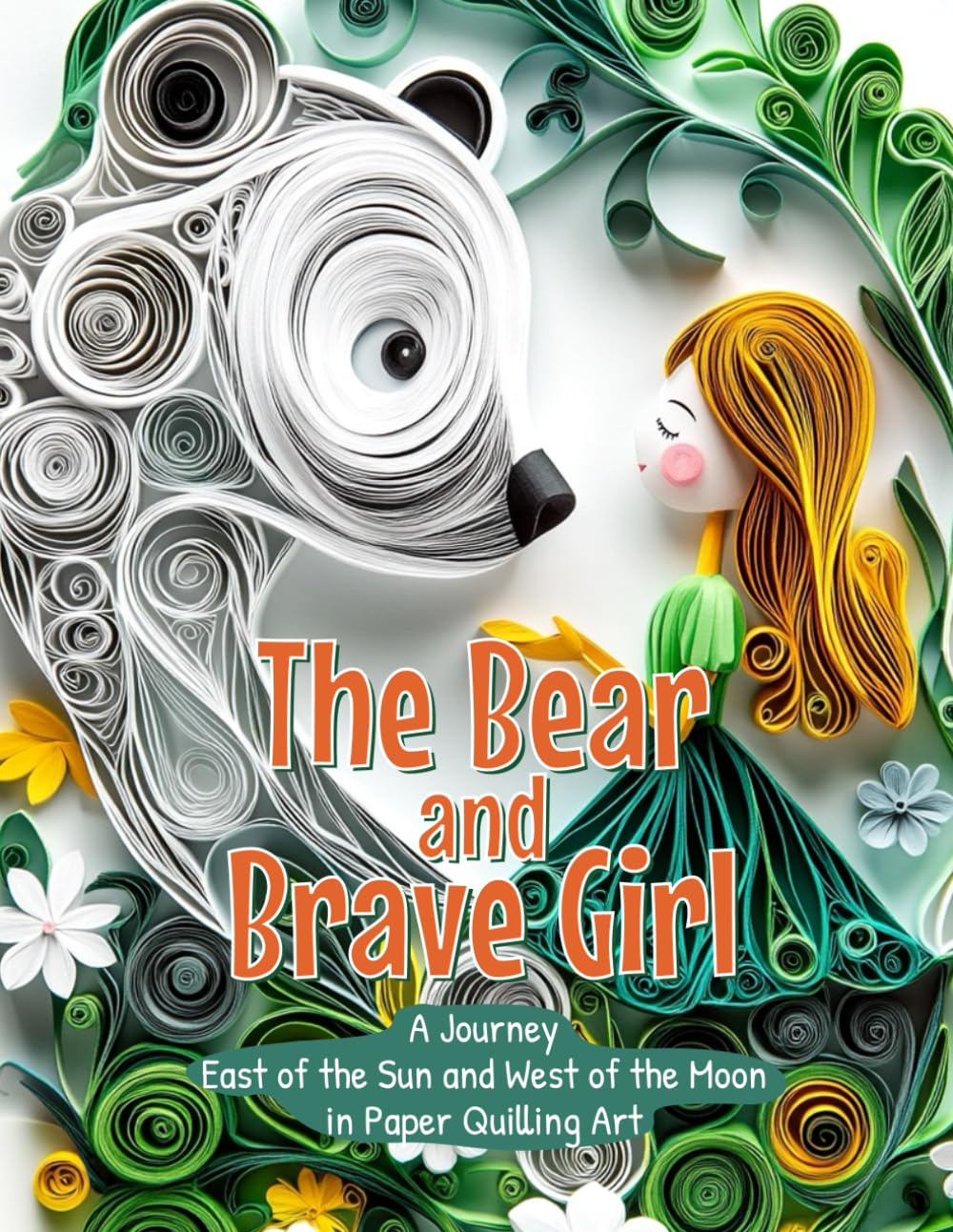
If you've been quilling, coloring, and crafting your way toward a small business, you've probably asked yourself the big question: where should I actually sell this stuff? The online marketplace landscape has shifted quite a bit lately, and 2026 has brought some real changes worth knowing about before you list your first paper-quilled earring or hand-illustrated print. Let's walk through the current options.
Etsy: Still the Reigning Champ, With Caveats
Etsy remains the go-to platform for handmade sellers, and it's still the easiest place for new crafters to get discovered thanks to built-in search traffic. However, this year Etsy has continued rolling out AI-powered search and personalized shopping tools, which means listing quality (photos, tags, and descriptions) matters more than ever to stay visible. Sellers are also navigating updated fee structures, including transaction fees, payment processing costs, and optional offsite ad fees that can eat into margins if you're not paying attention.
- Best for: Beginners wanting built-in traffic and an established buyer base.
- Watch out for: Rising competition and the need for sharp SEO on every listing.
Amazon Handmade: A Steady Alternative
Amazon Handmade continues to appeal to crafters who want access to Amazon's massive customer base without the crowded, DIY-everything feel of some other platforms. The application process is more selective, requiring proof that your goods are truly handcrafted, but once approved, sellers benefit from Prime shipping perks and Amazon's trusted checkout experience. If you already sell craft books or kits on Amazon, this can be a natural extension of your storefront.
Newer and Niche Marketplaces Gaining Traction
This year has seen growing buzz around smaller, curated marketplaces that cater specifically to fiber arts, paper crafts, and fine art prints. These niche sites often charge lower fees than the giants and attract shoppers who are specifically hunting for artisan-made goods rather than mass-produced lookalikes. While traffic is lower than Etsy or Amazon, conversion rates can be higher because the audience is already primed to buy handmade.
- Best for: Sellers with a specific craft niche (like paper quilling or hand-lettering) looking for a less saturated market.
- Watch out for: Smaller audience size means you'll need to drive some of your own traffic through social media.
Social Commerce Keeps Growing
Selling directly through Instagram Shops, Pinterest product pins, and TikTok Shop has matured significantly. For crafters, this means your existing following can become a direct sales channel without routing every customer through a traditional marketplace. The trend in 2026 is toward short, satisfying process videos, think quilling a rose petal by petal, paired with a direct "shop now" link. This format continues to outperform static photos for engagement and conversions.
What This Means for Your Craft Business
The smartest approach right now isn't picking just one platform, it's diversifying. Many successful crafters maintain an Etsy shop for discoverability, a small presence on a niche marketplace for community and repeat buyers, and social commerce for direct sales and brand building. This spreads risk (marketplace fee changes or algorithm shifts won't tank your entire income) and lets you meet buyers wherever they already are.
- Start where your audience already shops, don't spread yourself too thin at first.
- Keep your product photography and descriptions consistent across platforms for a cohesive brand.
- Track your fees carefully; profitability varies a lot from platform to platform.
- Revisit your marketplace strategy every few months, this space changes fast.
Whichever platform you choose, remember that your craft, whether it's an intricate paper-quilled design, a coloring book page, or a hand-stitched project, is the thing that will ultimately sell itself. The marketplace is just the doorway; your creativity is what keeps people coming back.