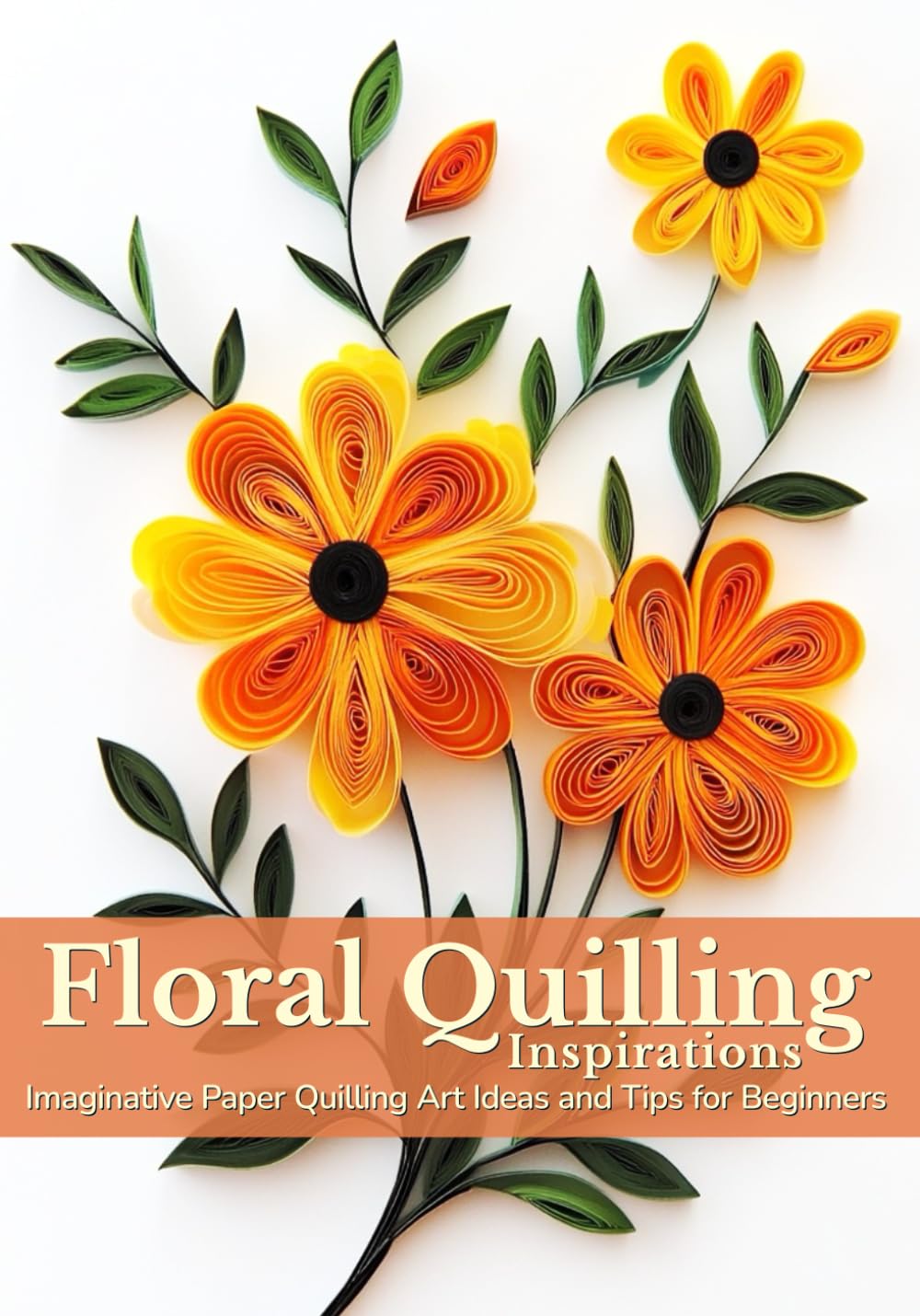
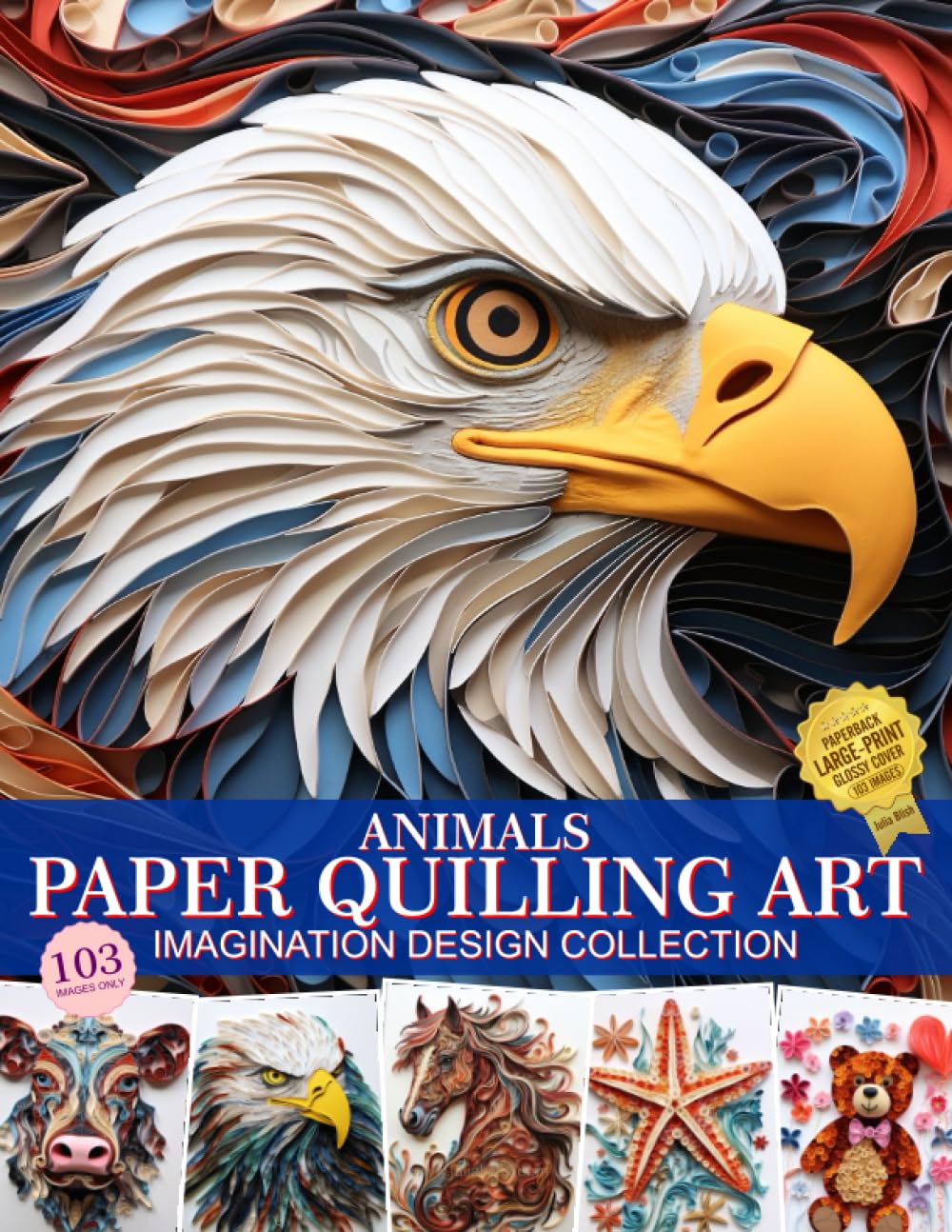
If you've been quilling late into the night or hand-coloring a stack of finished pieces, you already know the hard part is done — the real question is where to sell it. I get asked this constantly by readers of my books, so I spent the last few months testing and researching the current marketplace landscape. Here's my honest take on where crafters are finding success in 2026.
Etsy: Still the Giant, But Read the Fine Print
Etsy remains the first stop for most paper crafters, and for good reason — the built-in audience searching for handmade goods is unmatched. However, Etsy has continued rolling out algorithm updates that favor shops with frequent new listings and fast shipping times. If your quilled ornaments or coloring book bundles have been sitting stagnant, it's worth refreshing photos and descriptions monthly. Fees have also crept up again this year, so factor that into your pricing before you list.
Amazon Handmade: A Steady Alternative
Amazon Handmade continues to be a solid option for crafters who already have a following or product line ready to scale. The application process is more selective than Etsy's, but once approved, you tap into Amazon's massive customer base and trusted checkout experience. It's especially good for craft book authors and kit sellers, since customers often browse for supplies and finished books in the same session.
Rising Platforms Worth Watching
A few newer marketplaces have gained real traction with craft sellers this year:
- Faire — originally built for wholesale, it's increasingly popular with quillers and paper artists selling to boutique shops rather than individual customers.
- Bonanza — a smaller marketplace with lower fees, good for sellers frustrated by rising Etsy costs who want a low-risk secondary storefront.
- Instagram and TikTok Shops — social selling has matured significantly, and many crafters now treat these as primary sales channels rather than just marketing tools, especially for tutorial-driven content like paper quilling reels.
What Sellers Are Saying
In craft forums and Facebook groups I follow, the consistent theme this year is diversification. Sellers who rely on a single platform are more vulnerable to algorithm shifts and fee increases. Many successful paper crafters now maintain an Etsy shop for discovery, a simple personal website for repeat customers, and a social shop for impulse buys from followers who already love their work.
Tips Before You List Anywhere
- Photograph your work in natural light against a simple background — quilled pieces especially benefit from shadow and dimension shots.
- Write descriptions that explain your process briefly; buyers pay more when they understand the time and skill involved.
- Price for your time, not just materials. A detailed quilled piece or hand-colored print often takes hours — don't undersell that.
- Read each platform's current seller policies carefully, since fee structures and shipping requirements have shifted noticeably this year.
My Recommendation
If you're just starting out, begin with Etsy for visibility, but don't be afraid to experiment with a second channel once you have a small collection of consistent sellers. The marketplace landscape keeps shifting, but the fundamentals stay the same: good photos, honest descriptions, and pricing that respects your craft. Whether you're selling quilled greeting cards, coloring pages, or full craft kits inspired by my books, there's more opportunity than ever to find your audience — you just have to choose the right storefront for where you are right now.
Happy selling, and as always, keep those blades sharp and your glue close by.