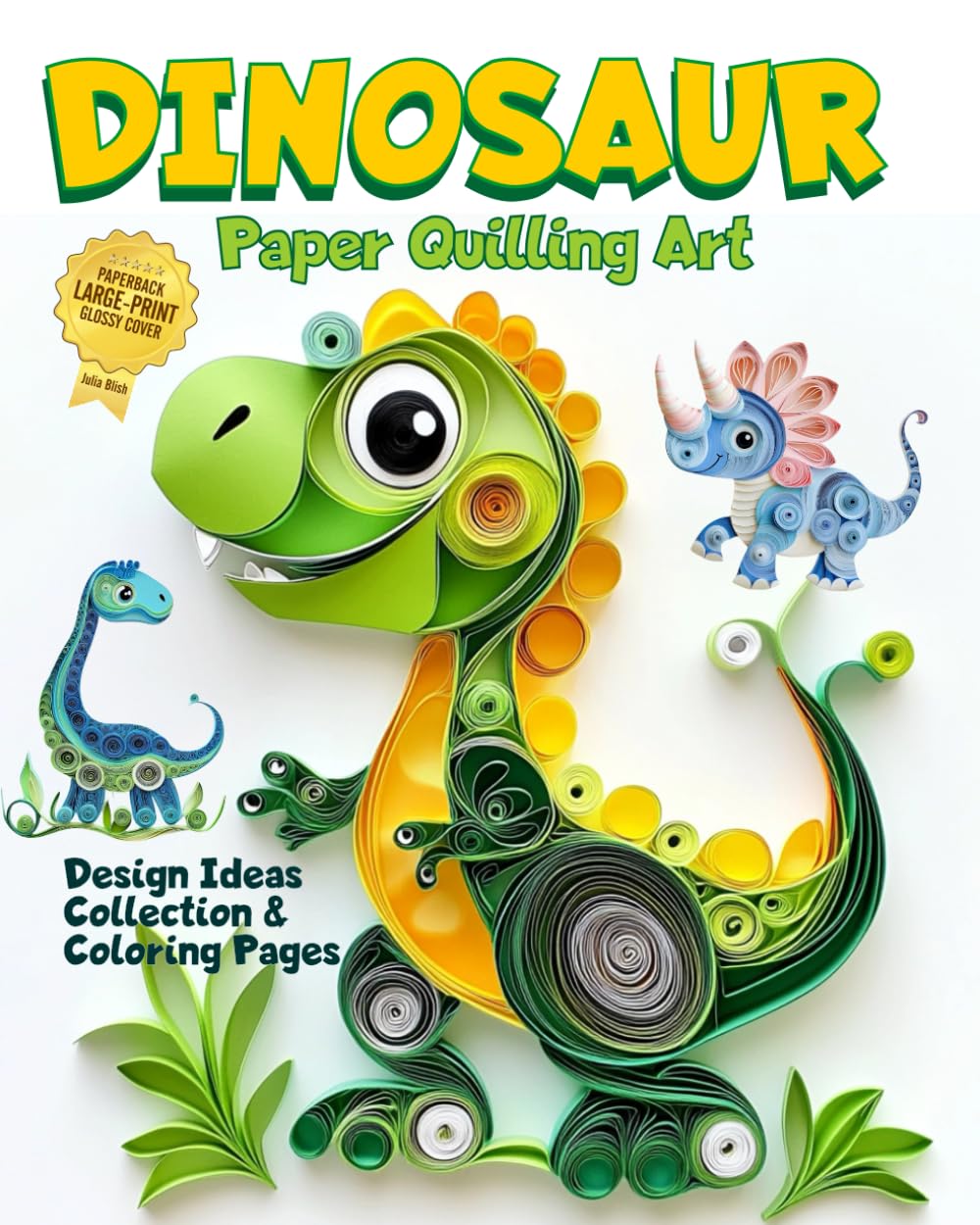
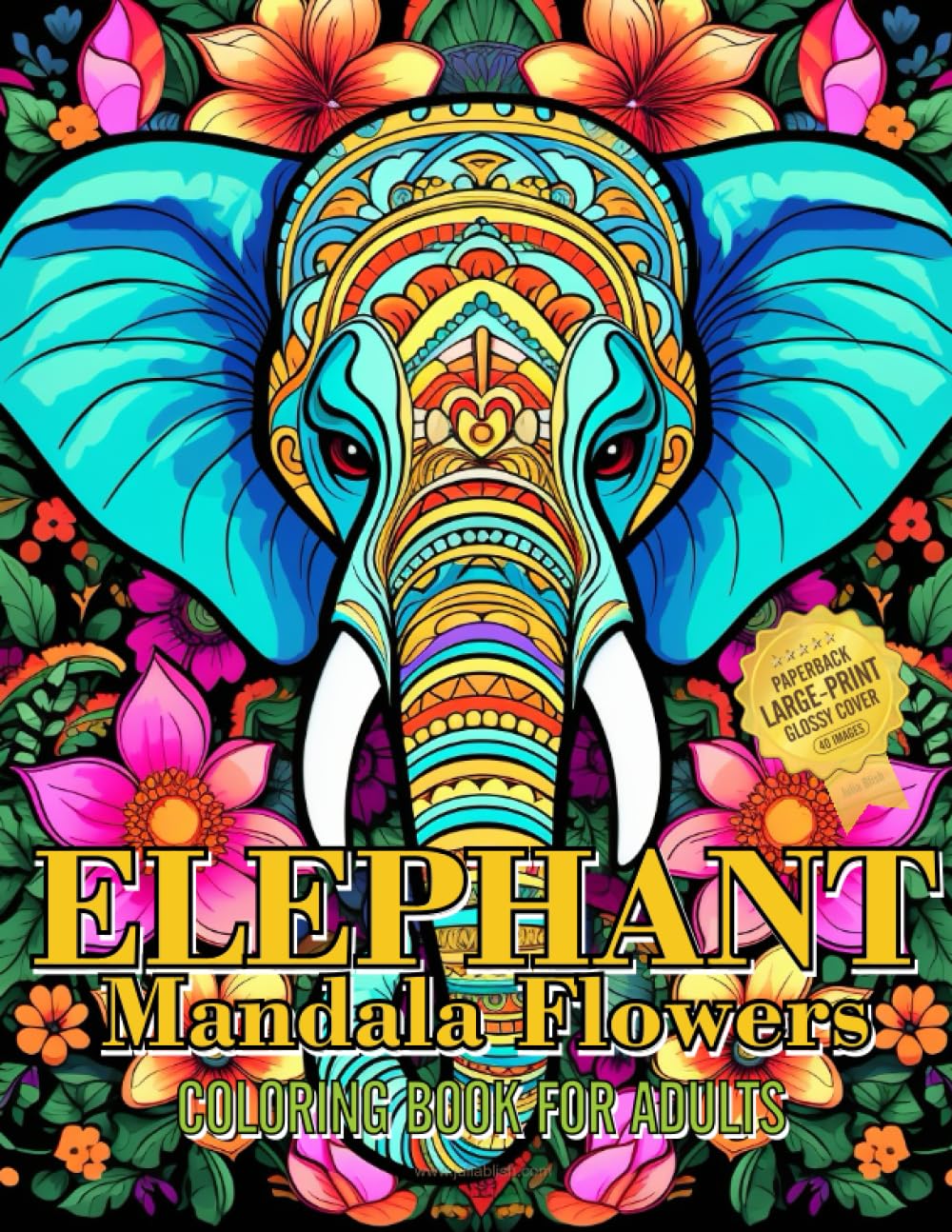
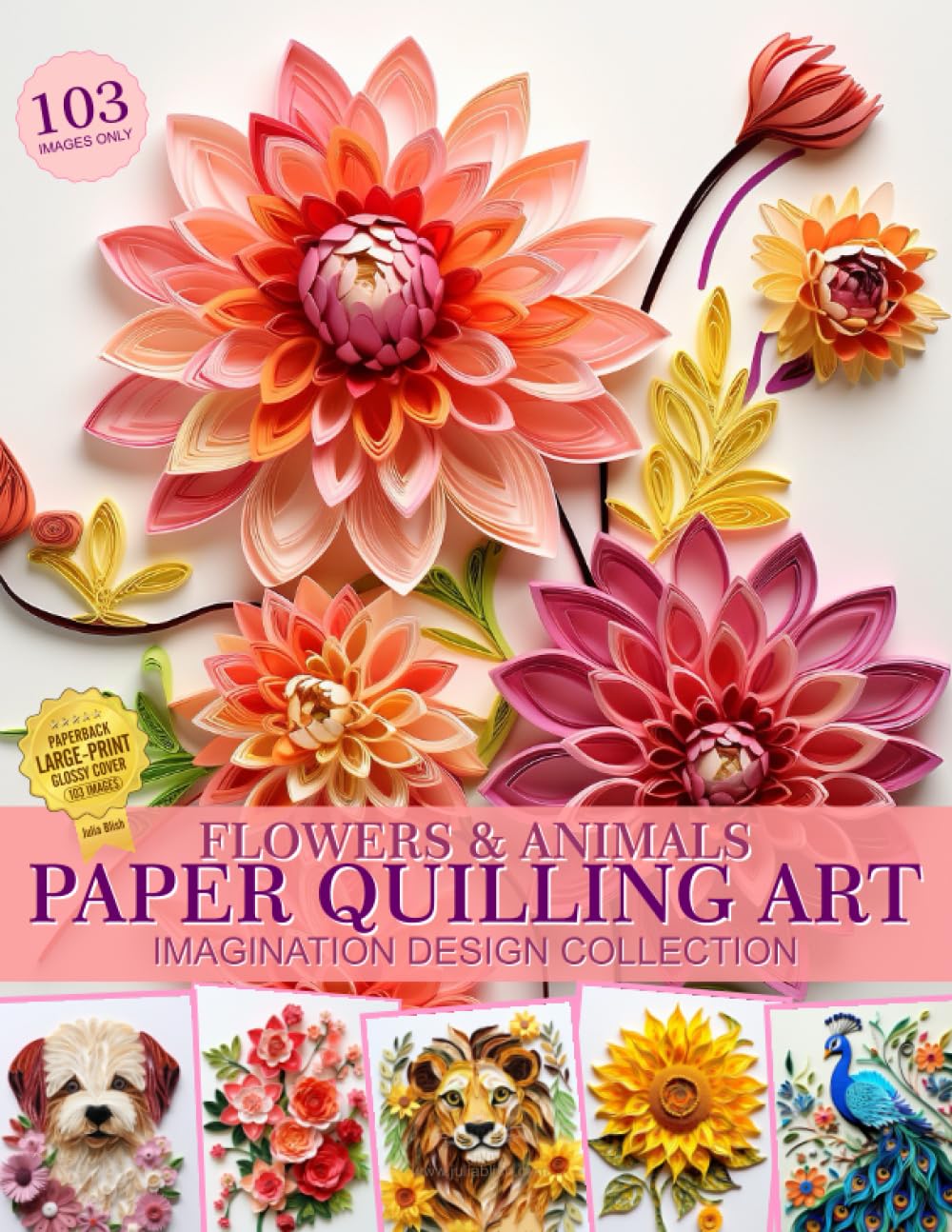
Every year I get a flood of questions from readers of my paper-quilling and coloring books asking the same thing: where should I actually sell my finished pieces or printable designs? The marketplace landscape has shifted quite a bit over the past couple of years, so I wanted to put together an honest, no-fluff review of where crafters are finding success right now in 2026.
Etsy Still Leads, But With Caveats
Etsy remains the go-to for handmade sellers, and its search algorithm updates this year have actually rewarded shops with strong, consistent listing quality over sheer volume. If you sell quilled paper art, greeting cards, or coloring book PDFs, Etsy's built-in audience is hard to beat. The downside? Fees have crept up again, and competition in the paper craft category is fierce. My advice: niche down hard. Instead of 'quilled flowers,' try 'quilled birth flower ornaments for new moms.'
Amazon Handmade: Underrated for Repeat Buyers
Amazon Handmade doesn't get as much buzz in craft circles, but I've heard from several readers that it's quietly become a strong second channel, especially for kits and finished decor pieces. Amazon shoppers tend to buy with less browsing and more intent, which means faster sales once your listing is dialed in. The trade-off is a more rigid application process and stricter photography requirements, so budget extra time before you launch.
Newer Players Worth Watching
Several smaller, craft-specific marketplaces have grown significantly this year, positioning themselves as lower-fee alternatives to the giants. These platforms often lean into community features like live maker Q&As and curated seasonal collections, which can be a nice boost for visibility if you're just starting out. They typically have smaller audiences than Etsy, but the lower competition and lower fees can make up for it, especially if you're selling something distinctive like hand-cut quilling templates or original coloring designs.
Selling Digital Downloads Directly
More crafters are also skipping marketplaces altogether for digital products. If you design coloring pages or quilling patterns, setting up your own simple storefront (paired with an email list) means you keep nearly all your profit instead of handing over a cut to a platform. It takes more upfront effort to build an audience, but for creators with a following on Pinterest or Instagram, this route has become increasingly realistic in 2026.
What to Look for Before You Commit
- Fee structure — know the difference between listing fees, transaction fees, and payment processing fees
- Audience fit — does the platform's typical buyer actually shop for your type of craft?
- Photo and file requirements — some marketplaces are strict about print resolution or product photography standards
- Payout speed — a few newer platforms hold funds longer than you'd expect
- Customer support responsiveness — read recent seller reviews, not just star ratings
My Honest Recommendation
If you're brand new to selling, start with Etsy for the built-in traffic, but don't be afraid to test a second channel like Amazon Handmade or one of the newer craft-focused platforms once you have a few solid listings and photos ready to go. Diversifying early protects you if any single marketplace changes its algorithm or fee structure, which, as many of us have learned the hard way, happens more often than we'd like.
Whatever platform you choose, remember that great photography, clear descriptions, and a distinct creative voice matter more than the platform itself. I've seen readers build thriving little shops from a single well-photographed quilled ornament listing. The marketplace is just the storefront — your craft is still the star.