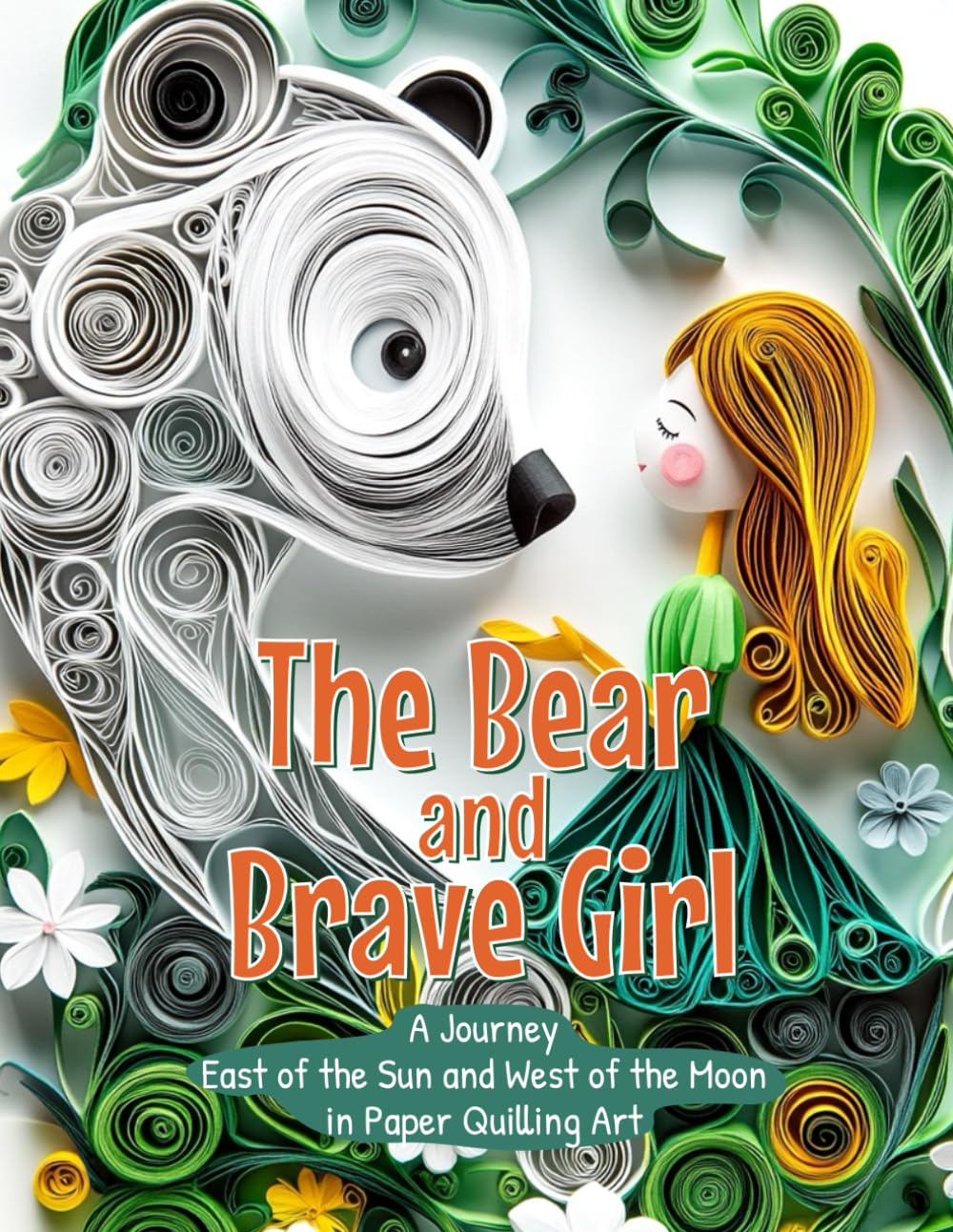
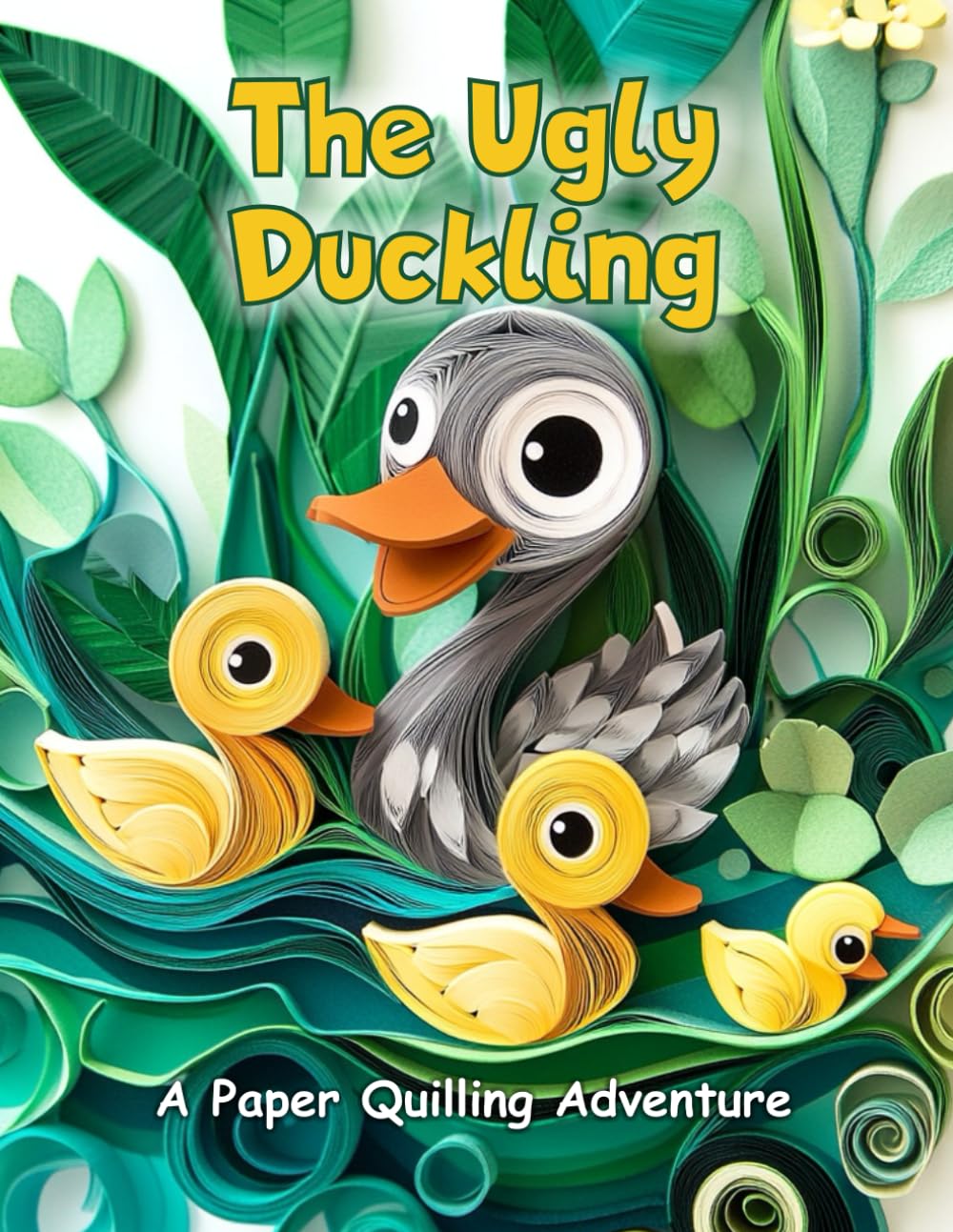
If you've been quilling paper strips into gorgeous florals or designing coloring pages late into the night, you've probably asked yourself the same question every crafter eventually faces: where should I actually sell this stuff? The marketplace landscape has shifted quite a bit, and 2026 has brought some real changes worth knowing about before you list your first item or reevaluate your shop strategy.
Etsy Is Still King, But the Rules Keep Changing
Etsy remains the default starting point for most paper crafters, and for good reason — the buyer traffic is unmatched for handmade goods. However, this year Etsy has doubled down on its "Star Seller" program requirements and tightened its policies around what counts as truly handmade versus mass-produced with light customization. If you sell quilled art or printable coloring pages, make sure your listings clearly show your process (photos of works-in-progress help enormously) to stay compliant and build buyer trust.
Etsy's search algorithm also continues to favor shops with fast shipping times and strong return policies, so if you've been dragging your feet on setting clear production timelines, now's the time to fix that.
Amazon Handmade: Slower Growth, Steady Sales
Amazon Handmade hasn't seen explosive growth, but it remains a solid secondary channel, especially for crafters who already sell books or kits on Amazon. The application process still requires samples and a bit of patience, but once approved, the built-in Prime shipping trust can convert browsers into buyers quickly. If you sell craft supply kits or bundled coloring books alongside handmade art, this cross-category flexibility is a real advantage.
Newer Players Worth Watching
A few marketplaces have gained real traction this year:
- Faire has expanded its wholesale-to-retail bridge, making it easier for crafters to sell directly to boutique shop owners without cold-calling.
- Bonanza continues to be a low-fee alternative for sellers frustrated with rising Etsy transaction costs.
- Instagram and TikTok Shop integrations have matured significantly, letting crafters sell directly from short video demos — perfect for showing off the satisfying process of rolling quilled paper coils.
What This Means for Your Craft Business
Diversifying across two or three platforms is more important than ever. Relying solely on one marketplace leaves you vulnerable to sudden fee increases or policy changes. Consider this simple approach:
- Use Etsy as your primary storefront for discoverability and SEO-friendly search traffic.
- List select items on Amazon Handmade if you already have an Amazon audience from book sales.
- Experiment with TikTok Shop or Instagram for process videos that drive traffic back to your main store.
- Keep an eye on Faire if you're interested in wholesale opportunities with local shops or gift boutiques.
A Note on Fees and Profit Margins
With shipping costs and marketplace fees both trending upward this year, it's worth revisiting your pricing at least twice a year. Many paper crafters underprice intricate quilled pieces because they forget to factor in the true time investment — including design time, not just assembly. Track your hours honestly for a month and you may be surprised how much your hourly rate actually is.
Final Thoughts
The good news is that demand for handmade paper crafts, printable coloring designs, and creative kits remains strong heading into the back half of 2026. Buyers are still hungry for authentic, well-made items with a personal story behind them. Whichever marketplace you choose, lean into what makes your work distinctly yours — your color choices, your quilling technique, your voice in product descriptions. That authenticity is still the best marketing tool you have, no matter which platform's algorithm is trending this month.