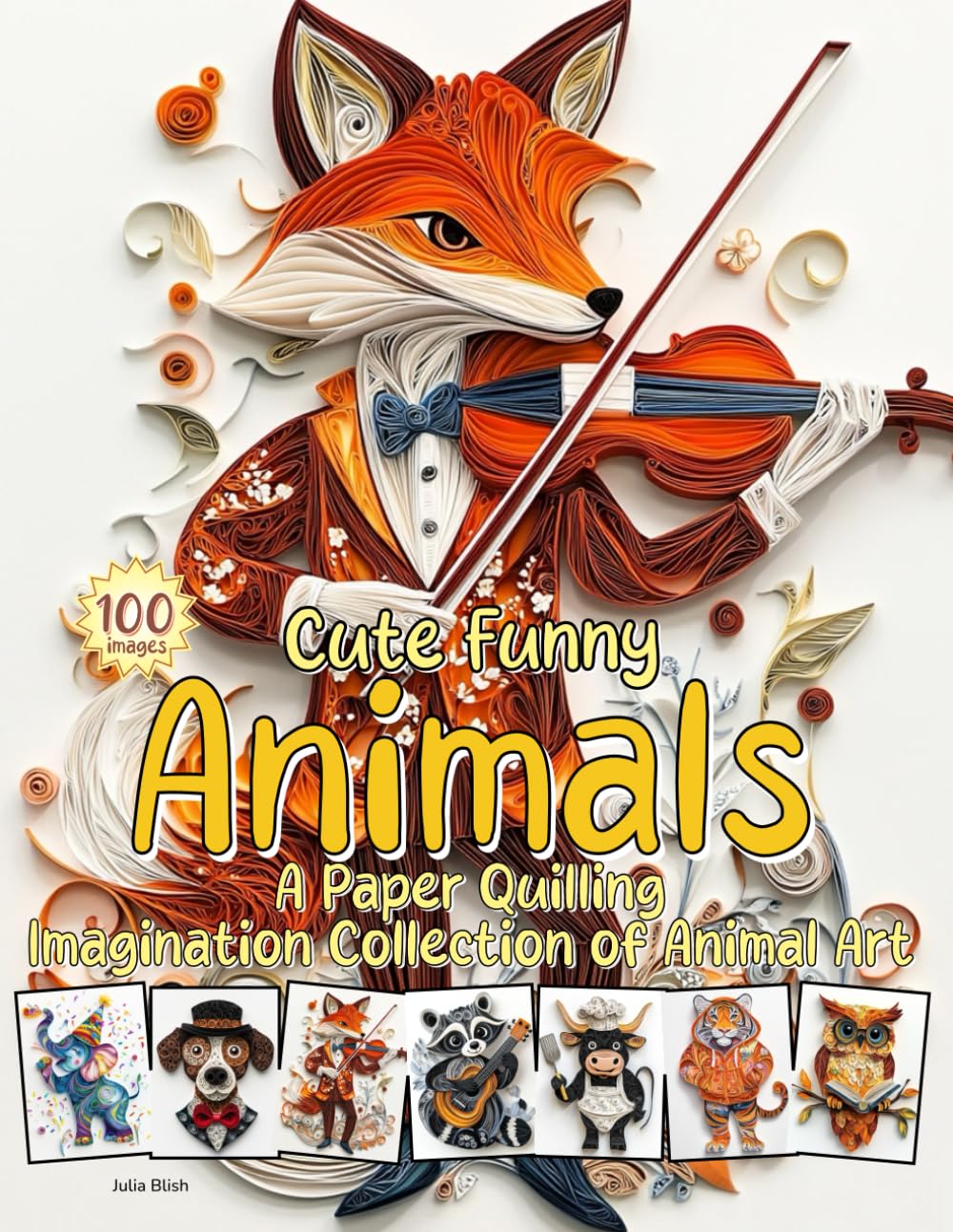
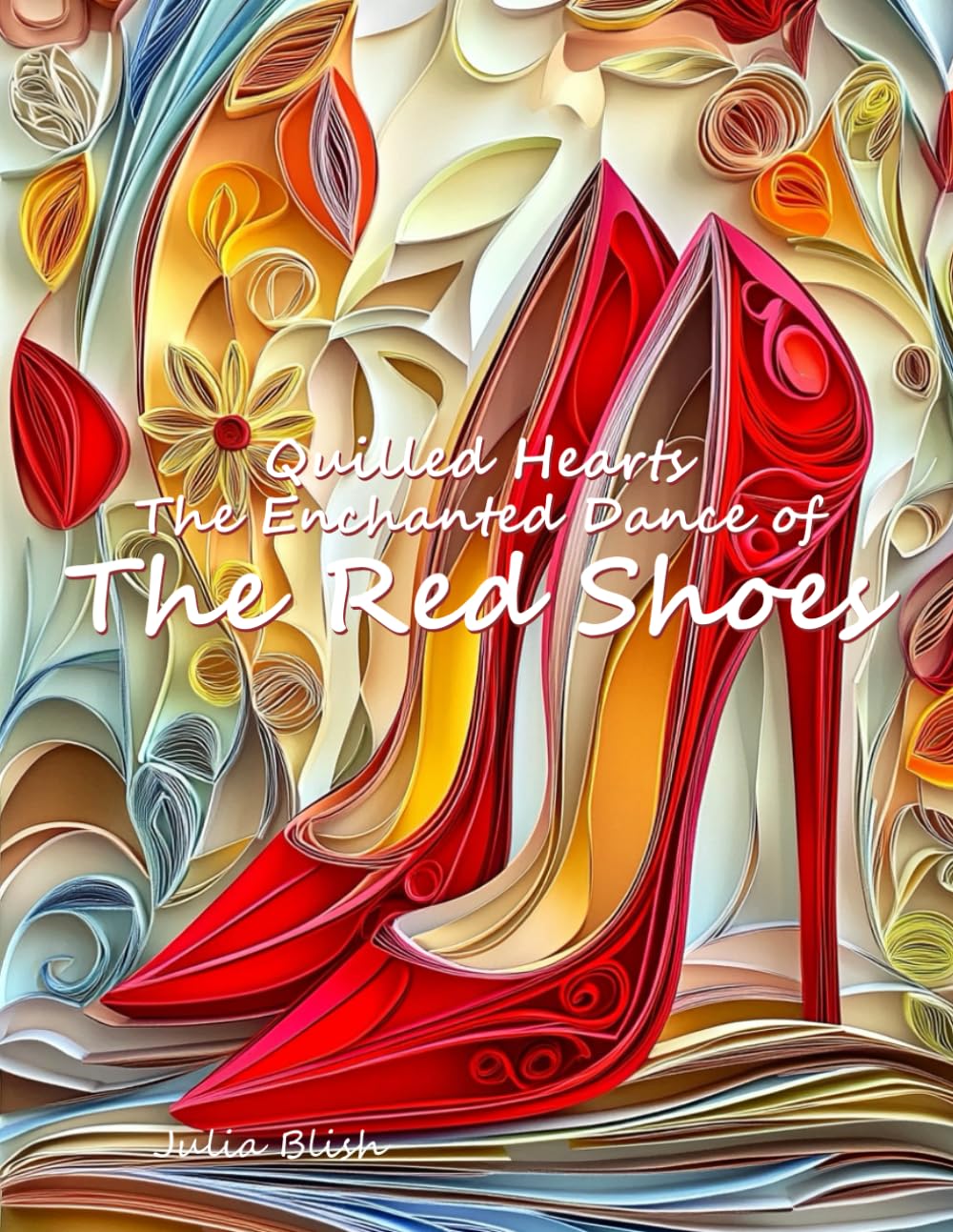
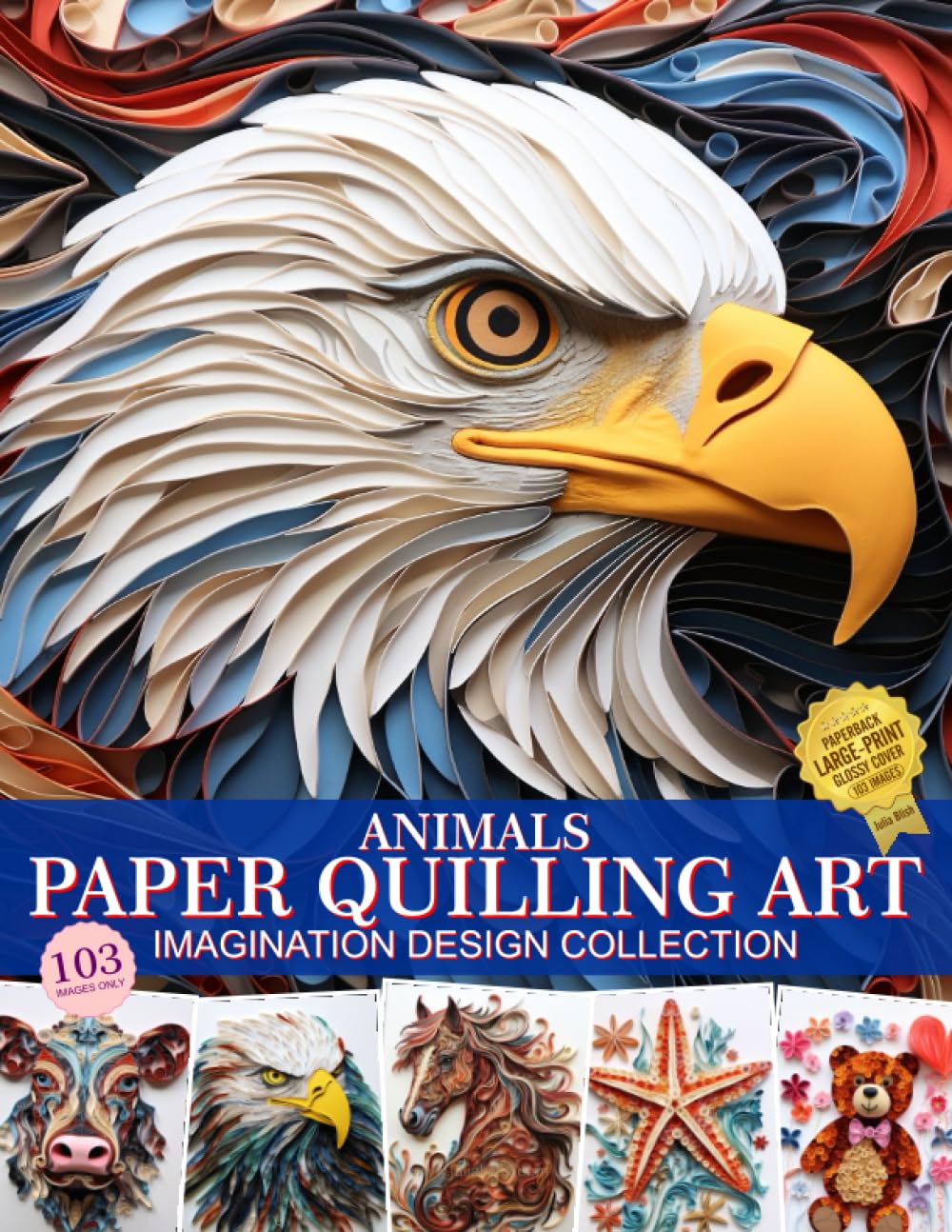
If you've been quilling, coloring, or crafting your way toward a little side income (or a full-blown creative business), you already know that where you sell matters just as much as what you sell. I get asked constantly by readers of my books which platform is 'the best' right now, and honestly, the answer keeps shifting. So let's talk about the current landscape of online marketplaces for crafters, what's new this year, and how to choose the right home for your paper art, kits, or finished pieces.
Etsy: Still the Giant, With Some Growing Pains
Etsy remains the first stop for most handmade sellers, and for good reason — the built-in buyer traffic is hard to beat. However, this year Etsy has continued tightening its search algorithm to favor shops with fast shipping, video listings, and frequent new uploads. If you sell paper quilling art or coloring book kits, this means it's more important than ever to keep your shop active with fresh photos and short demo videos. Fees have also crept up slightly, so factor that into your pricing. My advice: Etsy is still worth it, but treat it as one channel, not your whole business.
Amazon Handmade: A Sleeper Option for Craft Books and Kits
Amazon Handmade doesn't get talked about as much, but it's quietly become a strong option for sellers of craft kits, coloring books, and paper-craft bundles. Buyers there tend to be ready to purchase quickly, and Prime shipping expectations mean you'll want reliable fulfillment. It's a great secondary channel if you already have product photography and listings polished from Etsy — much of that work transfers over easily.
Faire and Wholesale Marketplaces
If you're ready to grow beyond one-off sales, wholesale marketplaces like Faire have become increasingly popular for connecting makers with boutique shops and gift stores. This is especially worth exploring if you create paper-quilled greeting cards, coloring page sets, or craft kits that retailers love to stock seasonally. It's a bigger commitment, but the order sizes can be worth it.
Social Selling Keeps Growing
TikTok Shop and Instagram Shopping continue to be real sales drivers for crafters this year, particularly for anyone who enjoys sharing process videos. Watching a delicate paper-quilled flower come together in a 30-second clip is genuinely mesmerizing to a lot of viewers, and that translates into sales when you tag your products directly. If you haven't tried short-form video selling yet, this is a low-cost, high-reward place to experiment.
Niche and Independent Craft Marketplaces
Smaller marketplaces built specifically for handmade goods have been popping up as alternatives to Etsy's rising fees. These sites tend to have smaller audiences, but often lower costs and more supportive communities. They're worth a look if you want to diversify without a huge time investment, though I wouldn't rely on them as your primary income source yet.
So, Which Should You Choose?
Here's how I'd think about it depending on what you make and sell:
- Selling finished paper quilling art or one-of-a-kind pieces? Start with Etsy, and consider Amazon Handmade as a second channel.
- Selling craft kits or coloring books in bulk? Explore Faire for wholesale opportunities alongside your online shop.
- Love creating video content? Add TikTok Shop or Instagram Shopping to showcase your process and drive impulse buys.
- Want lower fees and more control? Consider building a simple Shopify site as your long-term home base, using marketplaces to bring in new customers.
The truth is, no single marketplace is perfect, and the smartest crafters I know spread their listings across two or three platforms rather than betting everything on one. Start where you are, keep your listings fresh, and don't be afraid to test a new platform this year — you might be surprised where your next sale comes from.