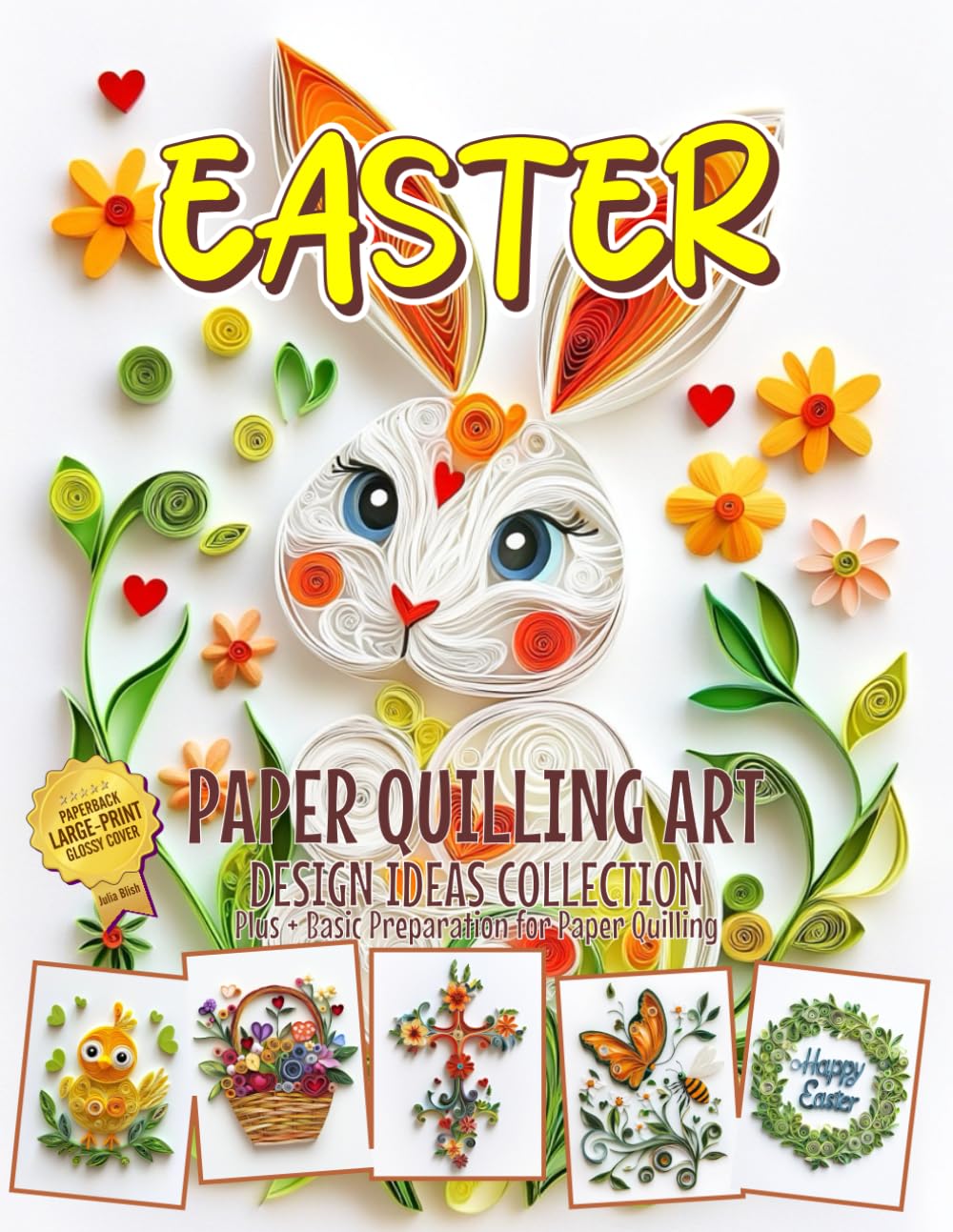
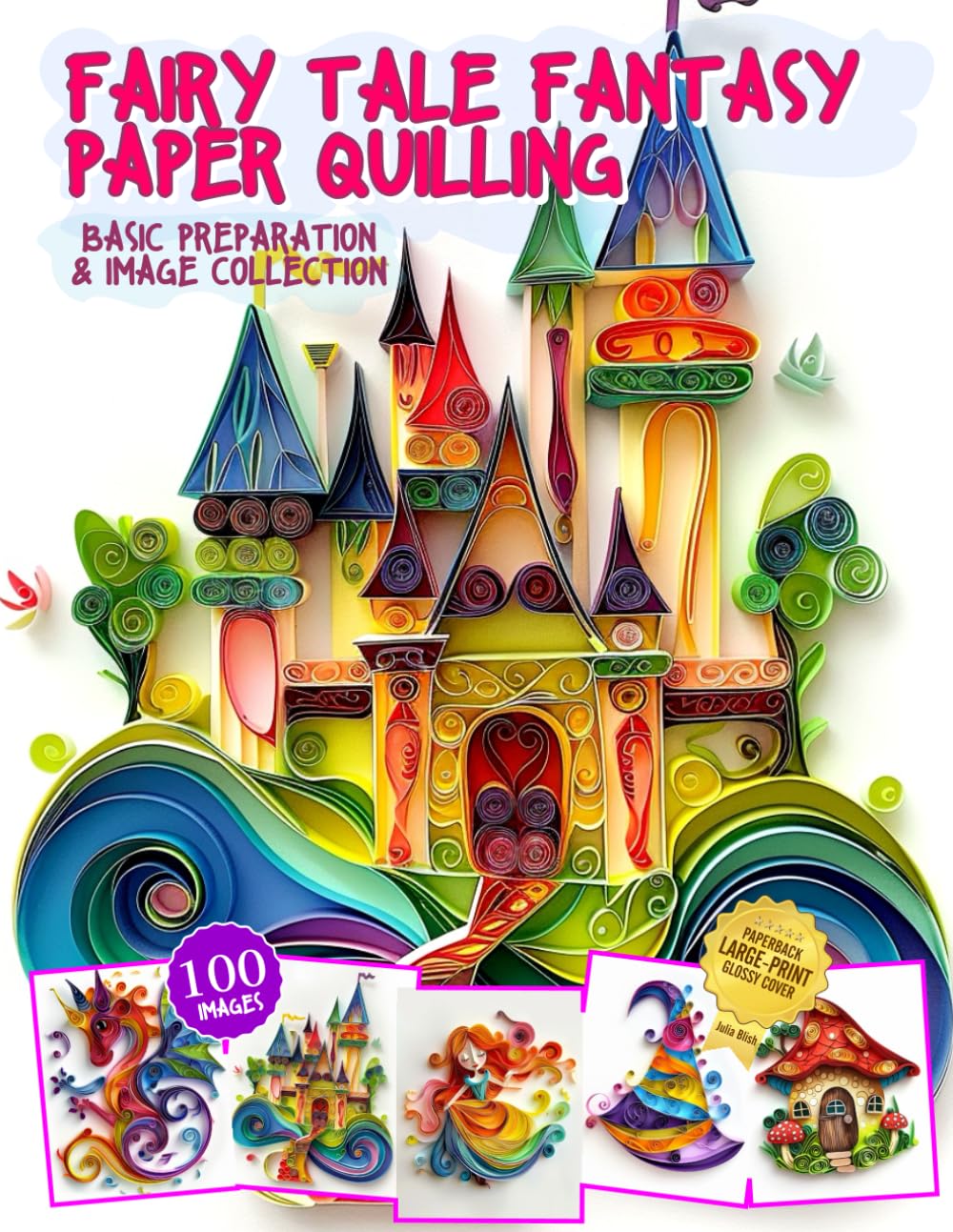
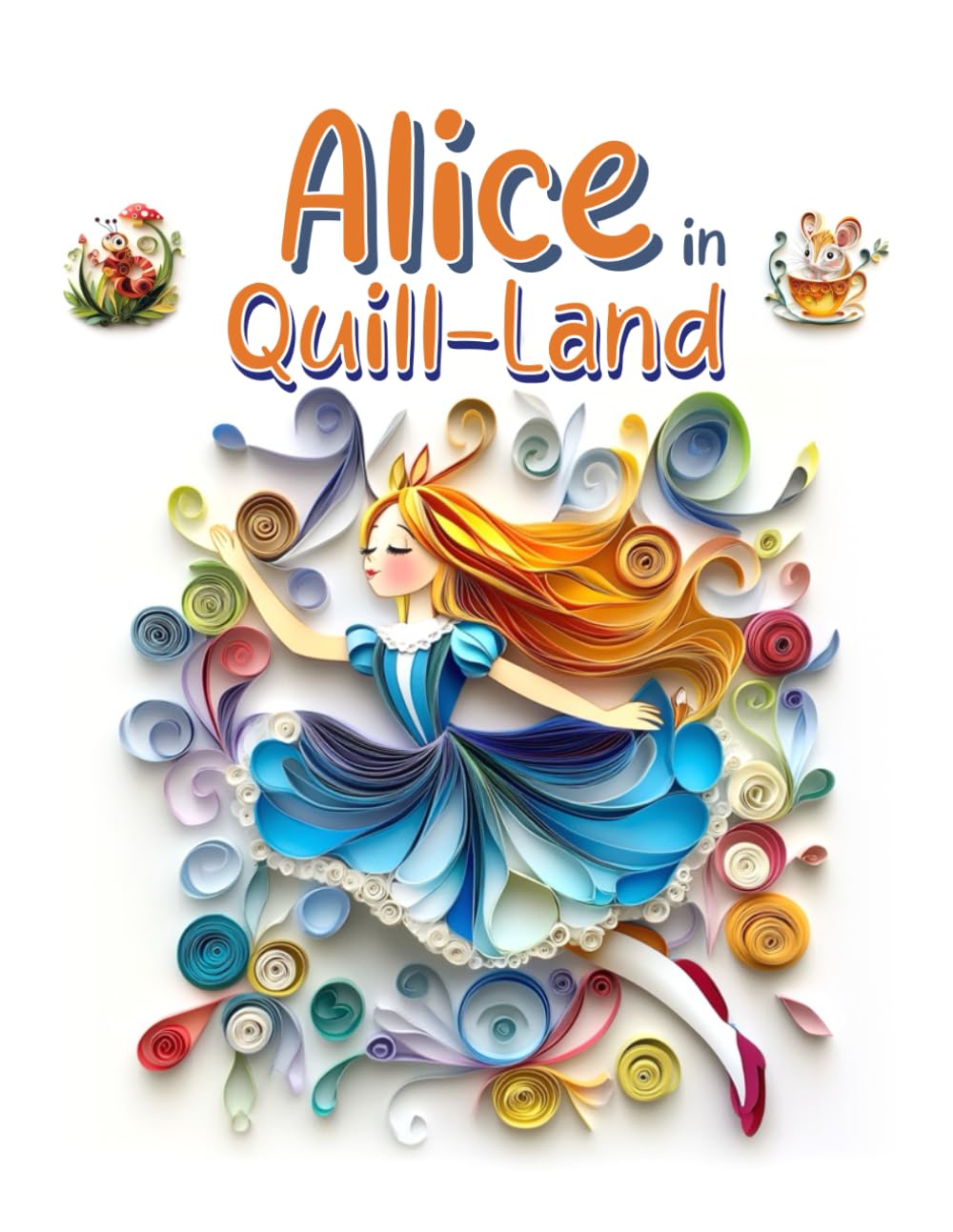
If you've ever sat surrounded by paper quilling projects or finished coloring book pages wondering how to turn your hobby into a little extra income, you're not alone. The online marketplace landscape has shifted quite a bit in the last few years, with new platforms popping up and old favorites changing their fee structures. Let's walk through where crafters are actually finding success right now.
Etsy: Still the Reigning Champion, With Caveats
Etsy remains the go-to platform for handmade goods, and for good reason. It has massive built-in traffic and shoppers who are specifically searching for handmade, unique items like paper quilled art or custom craft kits. However, sellers have been vocal about rising transaction fees, increased competition from mass-produced items slipping through, and the ever-changing algorithm that can make visibility unpredictable.
- Best for: Sellers wanting maximum exposure and searchability
- Fees: Listing fee plus transaction and payment processing fees, which add up quickly
- Tip: Invest time in SEO-rich titles and tags, and refresh listings regularly to stay visible
Amazon Handmade: Bigger Reach, Bigger Rules
Amazon Handmade has grown into a legitimate contender, especially for crafters who already sell books or kits on Amazon. The application process is more rigorous than Etsy's, requiring proof that your items are genuinely handcrafted, but once approved, you gain access to Amazon's enormous customer base and Prime shipping benefits.
- Best for: Established crafters ready to scale and who don't mind stricter seller requirements
- Fees: Referral fees around 15%, no listing fees
- Tip: Bundle your craft kits or coloring books with related paper craft supplies to encourage larger orders
Ravelry and Niche Communities
For those making paper quilling patterns, digital downloads, or craft tutorials, niche platforms tailored to specific craft communities can outperform bigger marketplaces in terms of engaged, ready-to-buy audiences. These sites won't have Etsy's traffic, but the buyers there are often more loyal and willing to pay fair prices for quality patterns.
Ko-fi and Gumroad for Digital Downloads
If part of your craft business includes printable quilling templates or downloadable coloring pages, Ko-fi and Gumroad have become increasingly popular alternatives to Etsy for digital-only products. Both platforms offer lower fees for digital sales and give you more control over your storefront branding.
- Best for: Selling PDFs, templates, and digital patterns without marketplace saturation
- Fees: Gumroad takes a small percentage; Ko-fi offers a free tier with minimal fees
- Tip: Pair digital sales with a newsletter signup to build repeat customers
Facebook Marketplace and Local Selling
Don't overlook local selling groups and Facebook Marketplace, especially if you attend craft fairs or want to sell finished quilled art pieces that are fragile to ship. Local buyers can pick up in person, saving you shipping headaches and packaging costs for delicate three-dimensional paper art.
Making Your Decision
The truth is, most successful craft sellers don't rely on just one platform. Many list their physical paper quilling kits on Etsy, sell craft books and bundles through Amazon, offer digital patterns on Gumroad, and use Facebook groups for local sales and community building. Diversifying protects you from algorithm changes or fee hikes on any single platform.
Before committing to any marketplace, read current seller reviews, calculate your actual profit after all fees, and consider where your ideal customer is already shopping. The best marketplace for you depends less on what's trendy and more on matching the platform to your specific craft, price point, and audience.
Whichever platforms you choose, remember that quality photos, honest descriptions, and a bit of patience while you build reviews will serve you well no matter where you plant your shop.