If you've been quilling, coloring, or crafting away in your studio and wondering where to actually sell the fruits of your labor, you're not alone. The online marketplace landscape has shifted quite a bit, and 2026 has brought some real changes worth knowing about before you list your next batch of handmade cards or paper art. Let's walk through what's working, what's changed, and where your craft might find its best home.
Etsy: Still the Giant, But Pricier
Etsy remains the first stop for most craft sellers, and for good reason — the built-in audience is huge. However, this year's updated fee structure has stung many small shops. Between transaction fees, payment processing, and optional (but nearly essential) offsite ad fees, sellers are reporting that Etsy now takes a noticeably bigger bite than it did a few years ago. My advice: if you're on Etsy, price your quilled ornaments and paper art with those fees baked in from the start, and don't be afraid to raise prices slightly if your shop has strong reviews and repeat customers.
Amazon Handmade: A Slow Climb
Amazon Handmade continues to be a mixed bag. The application process is still stricter than Etsy's, but sellers who get approved often see solid traffic simply because of Amazon's search dominance. The catch is that Amazon's aesthetic and buyer expectations lean toward quick, giftable items rather than intricate art pieces, so quilled greeting cards and simple paper decor tend to do better here than elaborate wall art.
TikTok Shop: The Newcomer Worth Watching
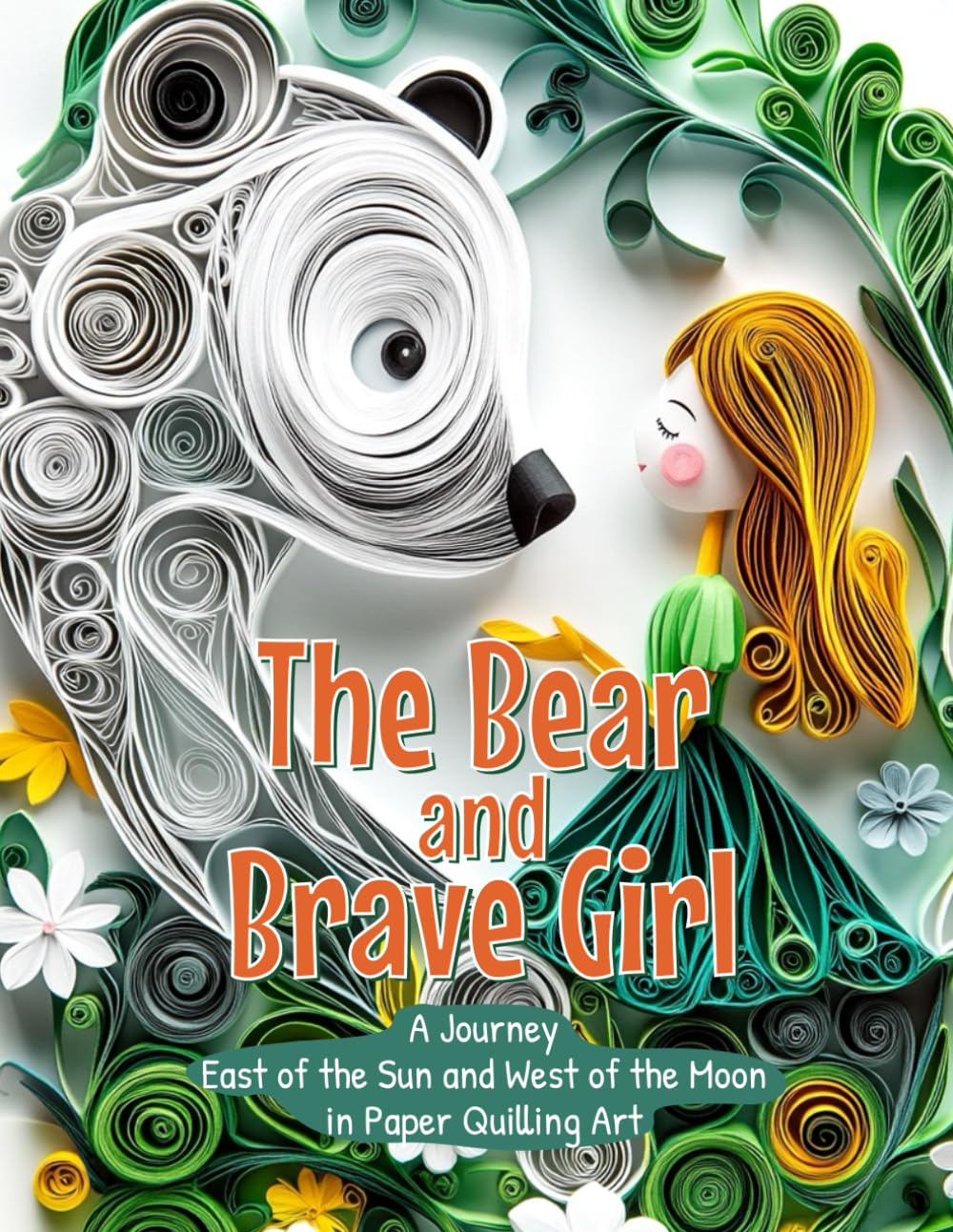
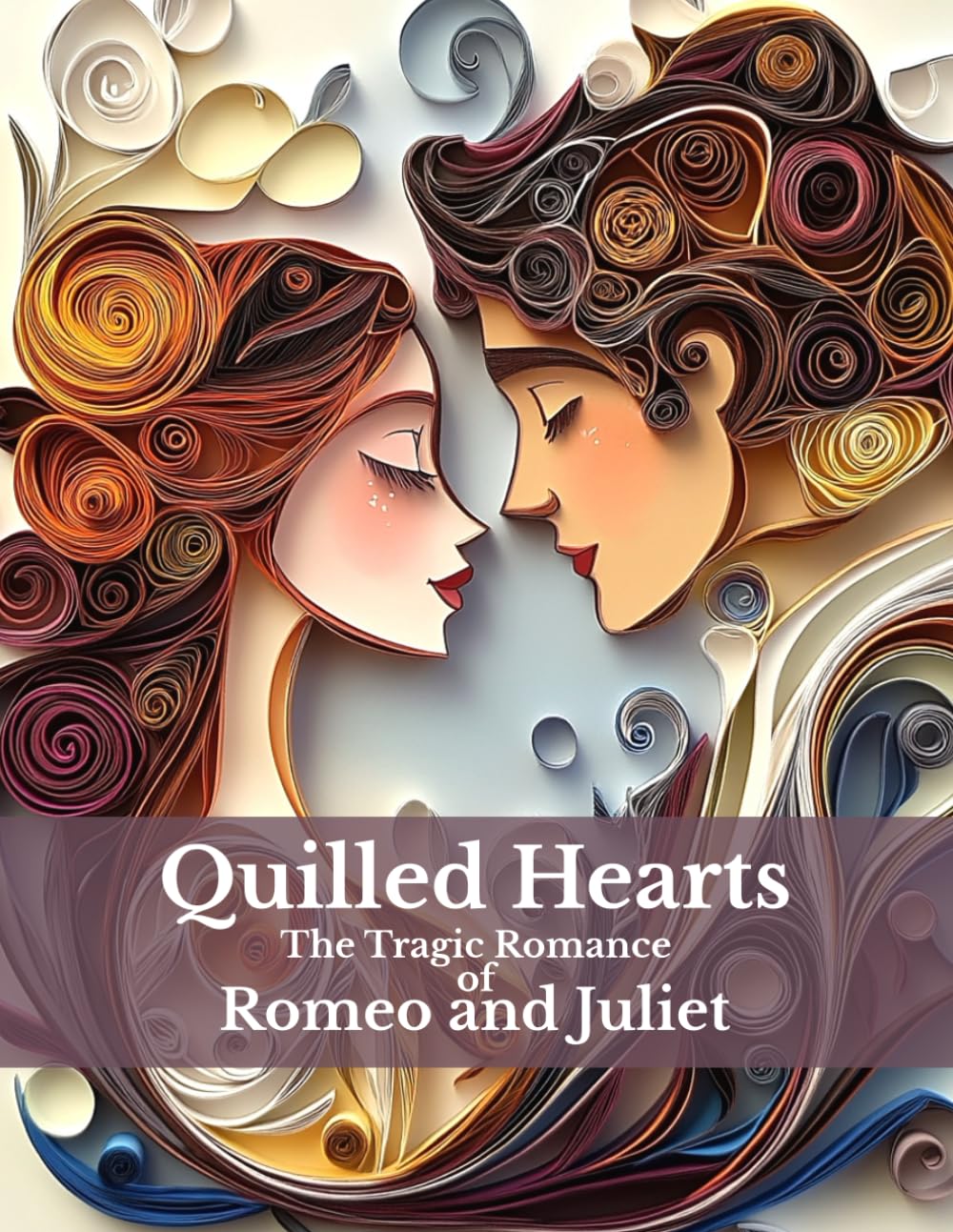
This is the big story of the year. TikTok Shop has matured into a legitimate sales channel for crafters, especially those willing to film quick process videos. Paper quilling is wonderfully visual — the coiling, the shaping, the reveal of a finished flower or butterfly — which makes it perfect for short-form video. Several small craft sellers have shared that a single viral video sent hundreds of orders their way overnight. The trade-off is unpredictability; you can't count on it for steady income, but as a supplement to an existing shop, it's worth testing.
Ravelry and Niche Pattern Sites
If you design your own quilling patterns, coloring pages, or craft tutorials rather than selling finished physical goods, don't overlook niche platforms built for pattern and digital download sales. These communities are smaller but full of engaged, repeat customers who genuinely want to make things themselves. Selling a quilling pattern PDF here can be far more profitable per hour of work than assembling and shipping the finished piece.
Building Your Own Shopify Storefront
More established sellers are moving toward hybrid models: keeping an Etsy shop for discovery while also running a simple Shopify storefront for repeat customers, where you keep a much larger percentage of each sale. This takes more upfront setup, but if you have any kind of email list or social following, it pays off over time.
A Few Practical Tips for Any Platform
- Photograph your work in natural light, and always include a size reference — buyers still struggle to judge scale with paper crafts.
- Write descriptions that explain your process; buyers love knowing a piece was hand-coiled strip by strip rather than machine-made.
- Bundle items — a set of quilled gift tags or a mini coloring book pairing sells better than single pieces in most marketplaces right now.
- Watch fee changes closely. Every platform tweaks its structure at least once a year, and your pricing should keep pace.
No single marketplace is perfect, and that's okay. The smartest approach for most crafters this year is diversification: a primary shop for steady sales, a secondary platform for discovery, and maybe a digital pattern shop on the side. Wherever you decide to sell, keep doing what makes your work special — that careful, patient handiwork is exactly what buyers are searching for, even in a crowded marketplace.