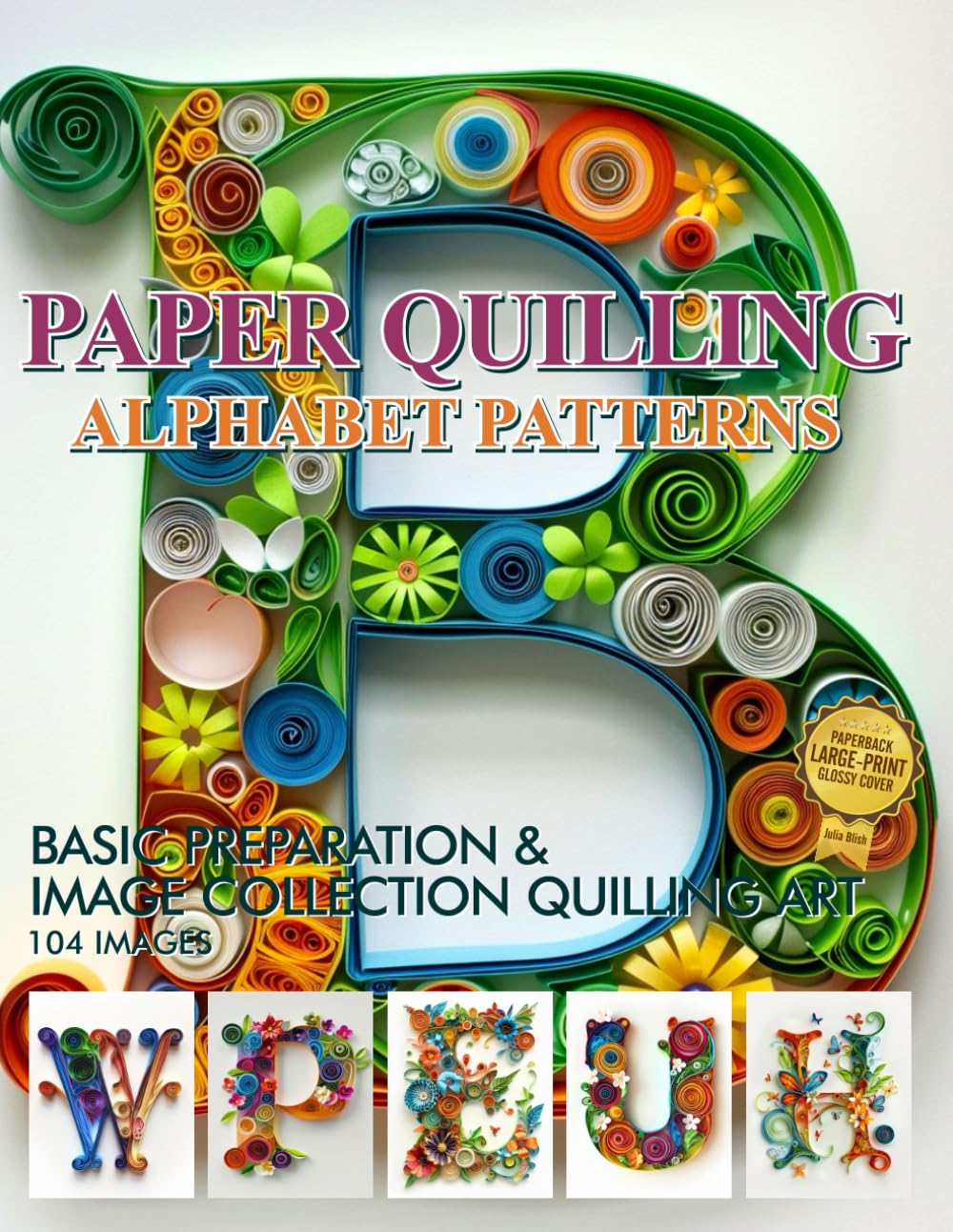
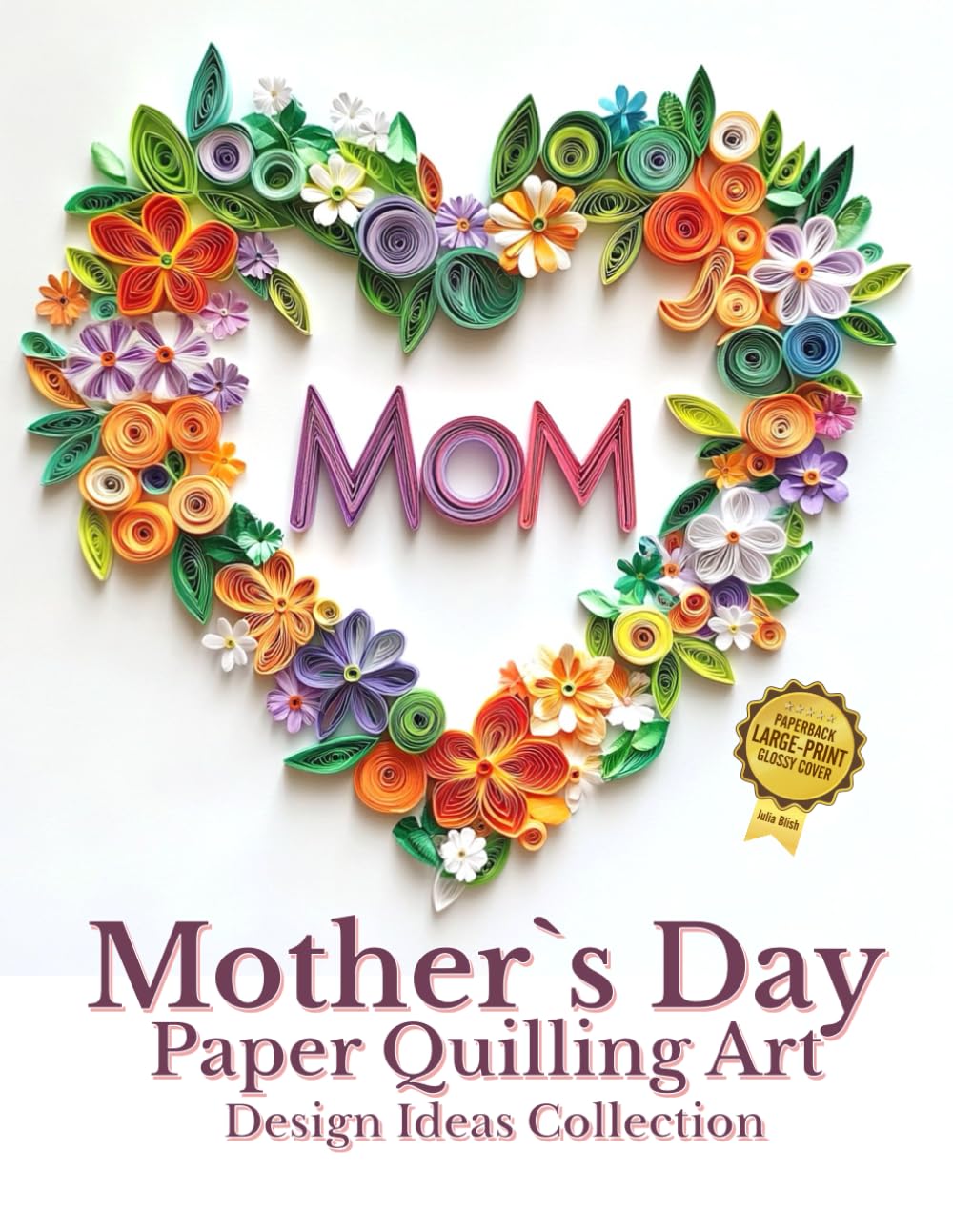
Every few months, someone in my paper-quilling community asks the same question: "Julia, where should I actually be selling my work in 2026?" The honest answer is that the marketplace landscape keeps shifting, and what worked beautifully two years ago might not be your best bet today. I spent the last month combing through seller forums, testing a few platforms myself with some quilled ornaments, and chatting with fellow craft book readers about their experiences. Here's the honest rundown.
Etsy Still Leads, But the Fees Sting More
Etsy remains the default home for handmade paper crafts, and for good reason — the buyer traffic is unmatched for niche items like quilled wall art or greeting cards. However, sellers this year are reporting that transaction fees, offsite ad charges, and listing costs have crept up again. If you're on Etsy, the smart move is to build an email list or Instagram following so you're not fully dependent on their search algorithm. Treat Etsy as one storefront window, not your entire shop.
Amazon Handmade Is Quietly Improving for Crafters
I know, I know — Amazon feels intimidating for small-batch paper artists. But Amazon Handmade has rolled out better categorization for craft supplies and finished art pieces this year, making it easier for quilling and paper-art sellers to actually get discovered instead of buried under mass-produced goods. If you already sell craft books or kits (like I do), having a Handmade storefront alongside your author page creates a nice cross-promotion loop.
Newer Contenders Worth a Look
- Fyndery — a smaller, invite-friendly handmade marketplace that's been gaining buzz among paper artists for its lower fees and curated craft fairs feel.
- Bonanza — quietly steady, great for sellers who want simple listing tools without Etsy's marketing pressure.
- Shopify with a craft-fair twist — more quillers are building their own small Shopify sites and linking them to local maker markets and Instagram Shopping, keeping more profit per sale.
What's Changing in Craft Fair World Too
It's not all online. Local maker markets and paper-arts festivals have become a bigger part of many sellers' strategies again this year, partly because buyers crave that in-person, "I met the artist" connection. Several readers have told me they use their online shop as a portfolio and their in-person booth as the real sales engine — then follow up with online customers after the event.
Tips for Choosing Your Platform
- Don't spread yourself across five marketplaces at once — pick one or two and do them well.
- Photograph your paper art in natural light with a simple background; quilling especially needs shadow detail to show its dimension.
- Write listing descriptions that explain your process — buyers pay more when they understand the time and skill behind hand-rolled paper strips.
- Bundle a small "how it's made" card or QR code linking to a short video; this builds trust and often boosts repeat sales.
- Track your numbers monthly. If a platform's fees are eating more than 20% of your profit, it may be time to diversify.
My Own Take
As someone who sells both books and physical quilled pieces, I've settled into a hybrid approach: Etsy for discovery, my own small website for loyal repeat buyers, and in-person markets for the joy of watching someone's face light up when they see quilling in real life for the first time. No single marketplace is perfect, but the good news for 2026 is that crafters genuinely have more solid options than ever before. Test a couple, see what fits your workflow and your art style, and don't be afraid to change course if something isn't serving you anymore.
Whatever platform you choose, remember that your craft — those careful curls of paper, those hours of patient rolling — deserves a marketplace that lets it shine, not just one that takes the biggest cut. Happy selling, and happy quilling!