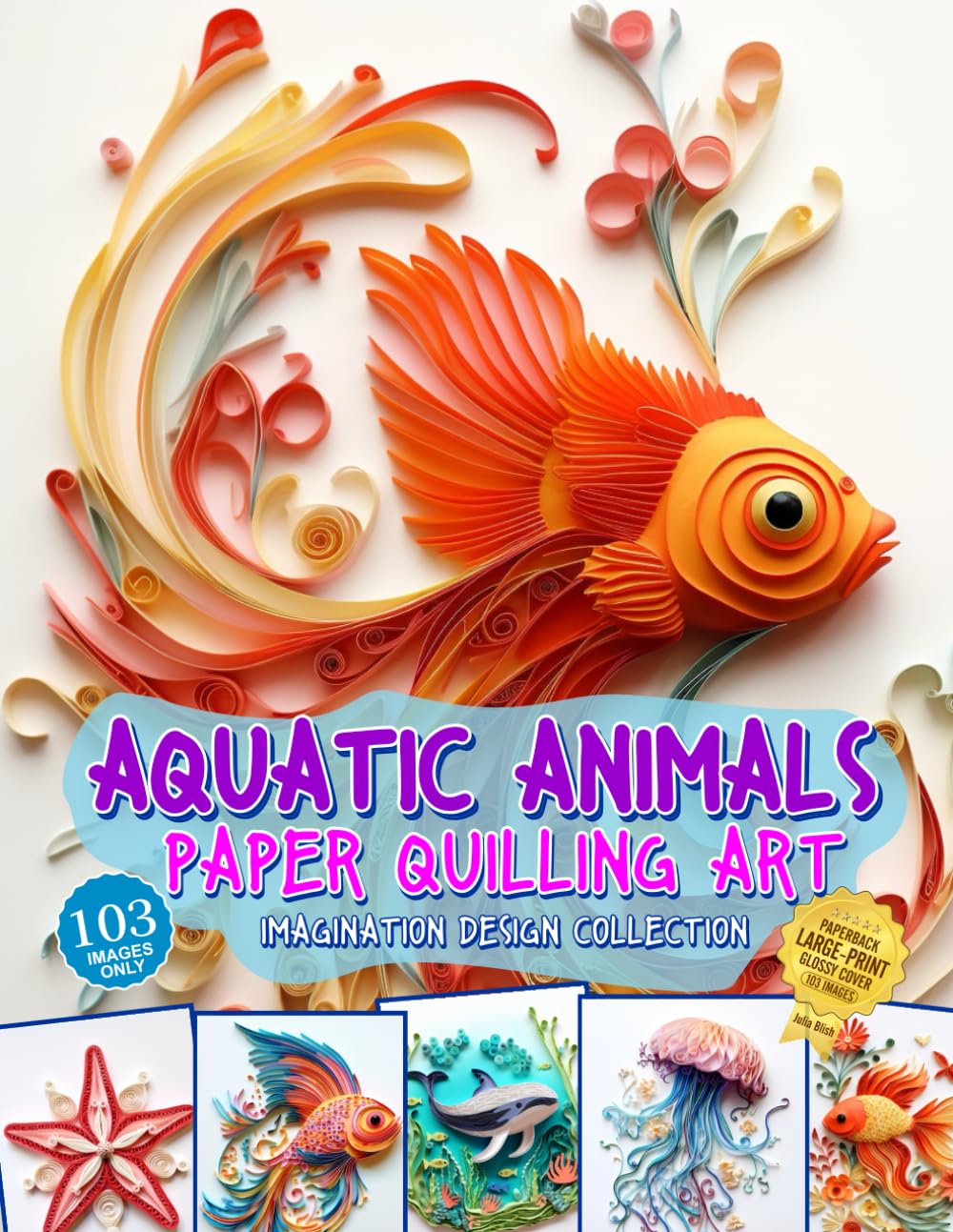
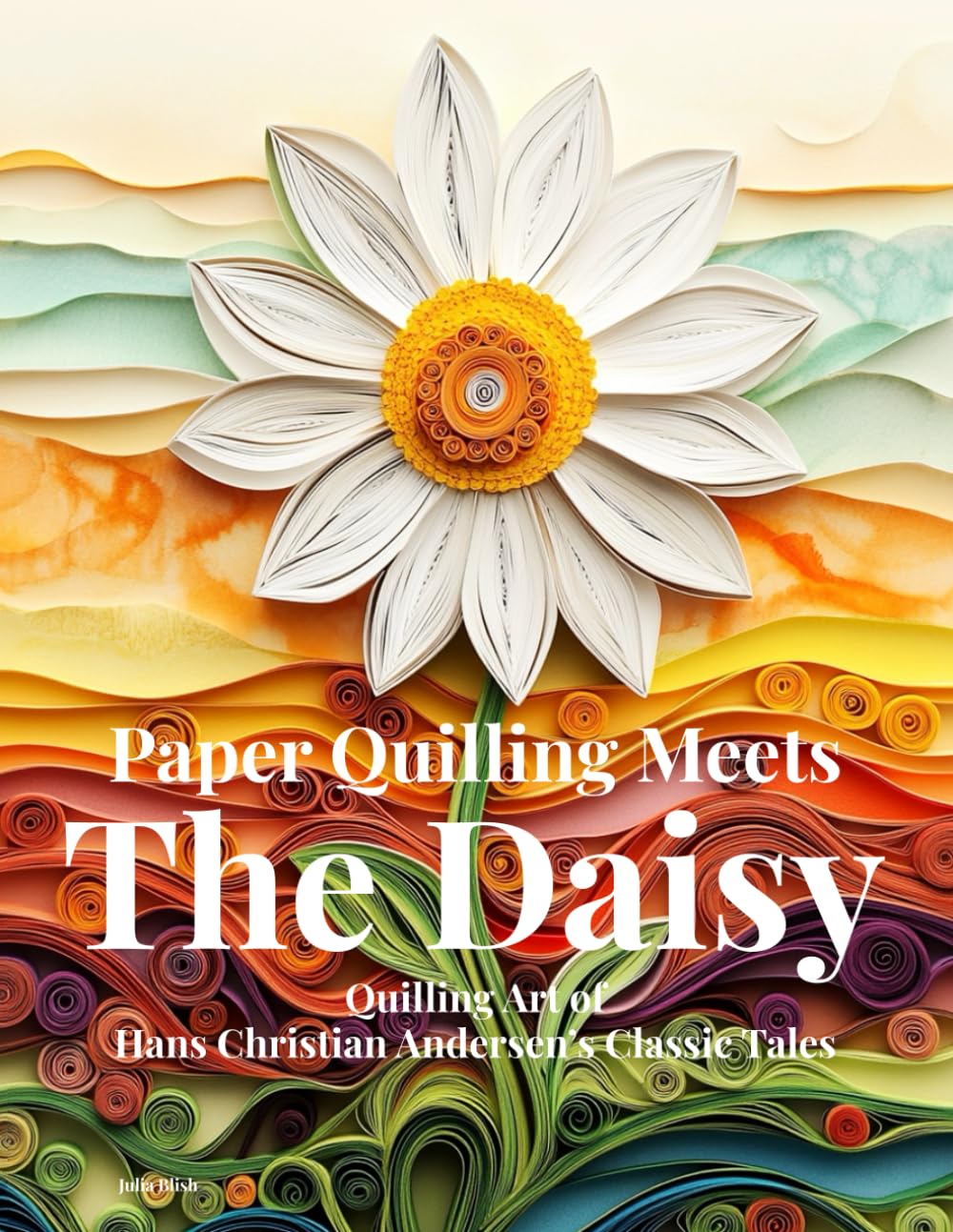
If you've ever finished a paper quilling project or a beautifully shaded coloring page and thought, "someone would actually pay for this," you're not imagining things. In 2026, the handmade market is bigger than ever, and there are more ways than before for hobby crafters to turn their creative time into real money. You don't need to quit your day job or become a full-time entrepreneur overnight. You just need a plan, a little patience, and the willingness to start small.
Start With What You Already Make
The best place to look for income potential is your own craft table. Have you been quilling greeting cards for friends? Coloring intricate mandalas just for fun? Chances are you already have a body of work that could become your first product line. Look through your finished pieces and ask which ones people compliment most often. That's usually your best starting point.
- Paper quilling: earrings, ornaments, framed art, and custom monograms sell especially well.
- Coloring: finished pages can become prints, or you can design your own coloring sheets to sell as downloads.
- Craft tutorials: if you enjoy teaching, short video lessons or written guides are in high demand.
Pick a Selling Method That Fits Your Life
Not every crafter wants to run a full shop, and that's perfectly okay. There are several low-commitment ways to start earning.
- Online marketplaces: Platforms built for handmade goods make it easy to list a few items without heavy upfront investment.
- Local markets and fairs: Selling in person lets you get instant feedback and build a local following.
- Digital products: Printable coloring pages, quilling patterns, or PDF tutorials can be sold again and again with no extra materials cost.
- Custom orders: Personalized quilled name art or wedding decor often commands premium pricing because it feels special.
Price for Your Time, Not Just Your Materials
One of the biggest mistakes new crafters make is underpricing their work. Add up your material costs, then estimate your hours and pay yourself a fair rate, even if it's modest at first. A tiny quilled earring might only use a few cents of paper, but if it takes forty-five minutes of careful rolling and shaping, that time deserves to be valued. Customers who love handmade goods understand that craftsmanship takes time, and they're often happy to pay for it.
Build a Simple Brand
You don't need a fancy logo to start, but a consistent look helps people remember you. Choose a name, a color palette, and a style of photography you can repeat easily. Good lighting and a clean background make a huge difference in how professional your listings look, even if you're just using your phone camera on your kitchen table.
Share Your Process, Not Just Your Product
People love seeing how things are made. Short videos of your quilling coils taking shape, or time-lapse clips of a coloring page coming to life, tend to perform wonderfully on social media. This kind of content builds trust and turns casual viewers into paying customers, because they feel like they know the maker behind the work.
Reinvest Slowly and Keep the Joy Alive
As orders start coming in, reinvest a portion of your earnings into better tools, quality paper, or a few classes to sharpen your skills. But be mindful of turning your hobby into pure obligation. Set boundaries around how many orders you'll take, and leave room to create purely for fun sometimes. The crafters who last are the ones who protect their love of the craft, not just their profit margins.
Making money from your hobby isn't about overnight riches. It's about recognizing the value in the skills you've been quietly building all along, and giving yourself permission to share them with the world, one careful coil or colored page at a time.