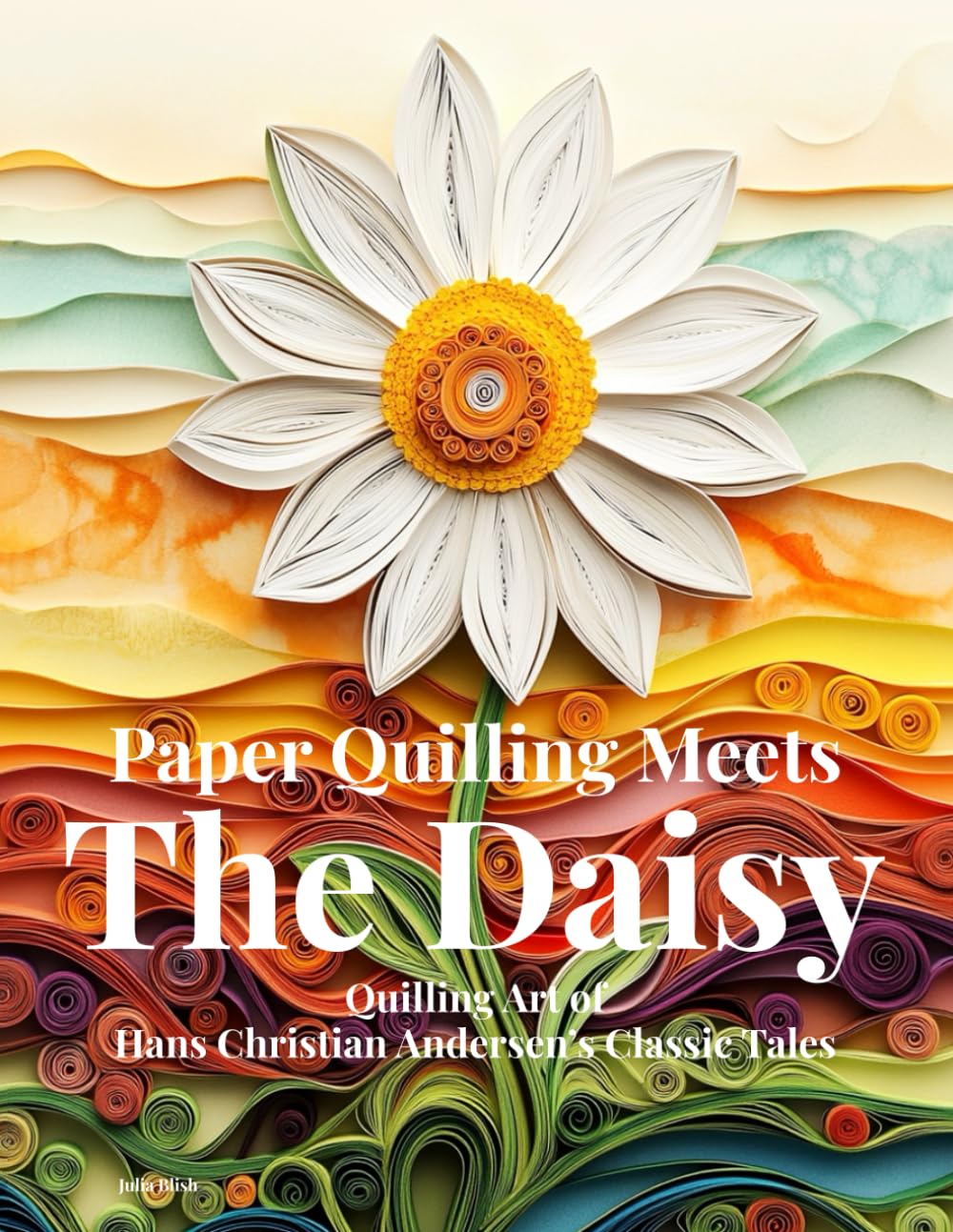
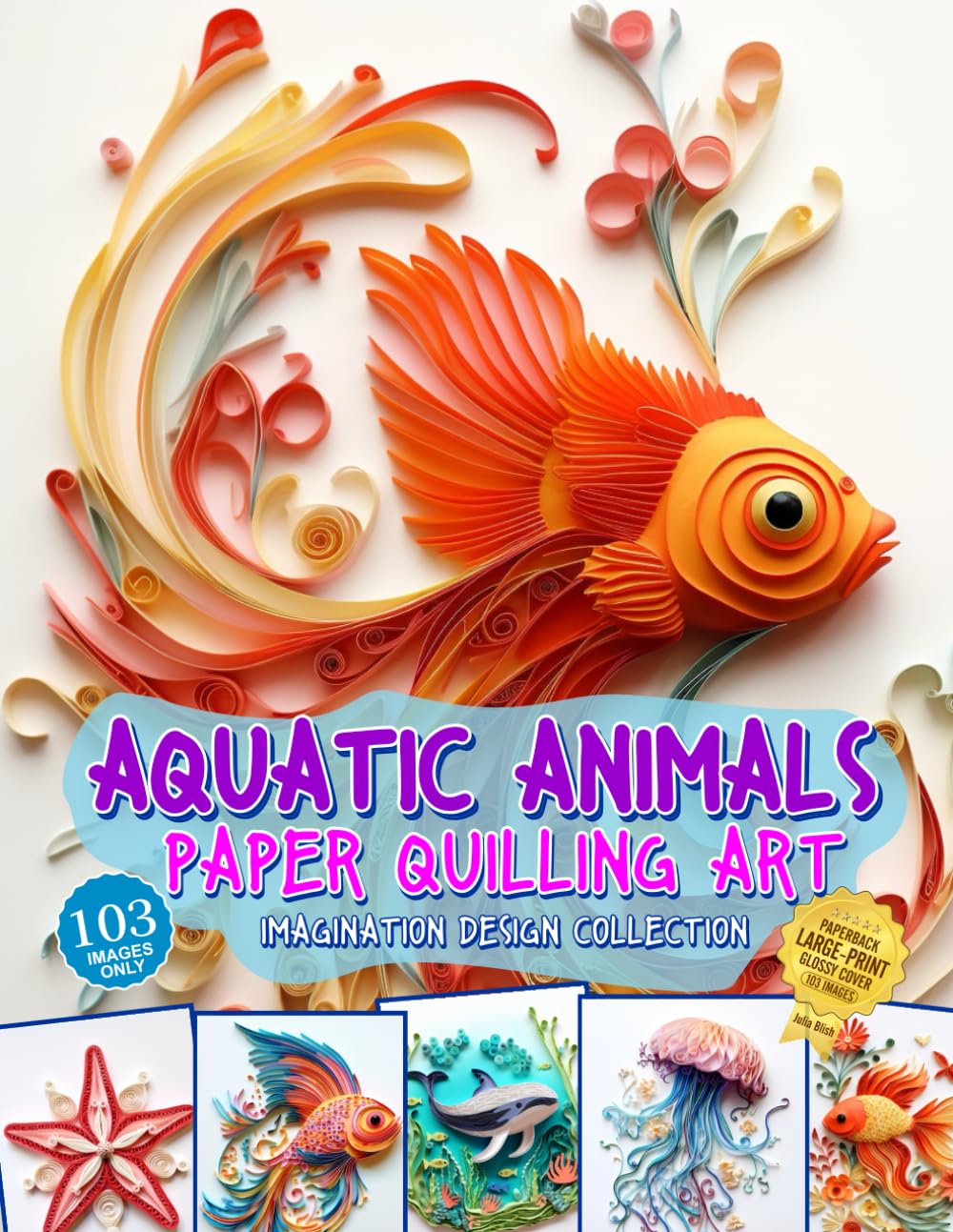
There's a moment every crafter eventually hits: your supply drawer is overflowing, your family has enough handmade gifts to last a lifetime, and friends keep asking, "Wait, you made this? Can I buy one?" That question is often the first spark of a craft business. In 2026, with so many low-cost ways to sell online, turning a hobby like paper quilling or adult coloring into a small income stream is more accessible than ever. Here's how to start without losing the joy that made you love crafting in the first place.
Start With What Already Feels Easy
The best product ideas usually come from what you already make for fun. If you quill, that might mean greeting cards, earrings, or framed floral art. If you love coloring, it could be selling finished pieces, custom commissions, or even your own printable coloring pages. Don't invent a whole new skill set just to "be sellable" — lean into what already feels natural, because that's what will sustain you when orders pick up.
Test Small Before Going All In
You don't need a website or a business license to find out if people will pay for your work. Start small:
- Sell a few pieces at a local craft fair or church bazaar
- Post finished work in a hobby Facebook group and gauge interest
- Offer a friend a custom piece at a fair price to see how the process feels
This low-stakes testing tells you two important things: whether there's demand, and whether you actually enjoy making things to order (which is different from making things for yourself).
Price for Your Time, Not Just Your Materials
New crafters almost always underprice their work. A common formula is: cost of materials + (hours worked × your hourly rate) + a small markup for profit. Paper quilling in particular is labor-intensive — a detailed piece might take three or four hours even though the paper itself costs very little. Price accordingly, or you'll burn out fast resenting a hobby you used to love.
Choose the Right Platform for You
You have more options now than ever:
- Etsy or similar marketplaces for finished physical products
- Instagram or Pinterest to build an audience and drive custom orders
- Local markets and pop-ups for in-person sales and instant feedback
- Digital downloads, like printable coloring pages or quilling patterns, which require no shipping and can sell repeatedly
You don't need to be everywhere at once. Pick one platform, get comfortable, and expand only when it feels manageable.
Protect the Joy
This is the part crafters forget to plan for. Turning a hobby into income can quietly turn it into a job — deadlines, customer requests, comparison with other sellers online. Set boundaries early: maybe you only take custom orders one week a month, or you keep a personal project going that's just for you, with no price tag attached. The goal is extra income and creative satisfaction, not a second full-time job that steals the fun from your evenings.
Think Beyond Selling Objects
Selling finished pieces isn't the only path. Many crafters find just as much (or more) success teaching what they know — a local workshop, an online class, or even writing a small e-book or pattern pack. If you love explaining your process as much as doing it, teaching can be a rewarding and scalable way to earn from your skills.
Start Before You Feel Ready
Most crafty side businesses don't start with a perfect plan — they start with one sale, then another, and lessons learned along the way. Give yourself permission to start small, price fairly, and grow at a pace that keeps the craft enjoyable. Whether you end up with a thriving Etsy shop or just enough side income to fund your next big paper order, the most important ingredient is still the one you already have: a genuine love for making things.