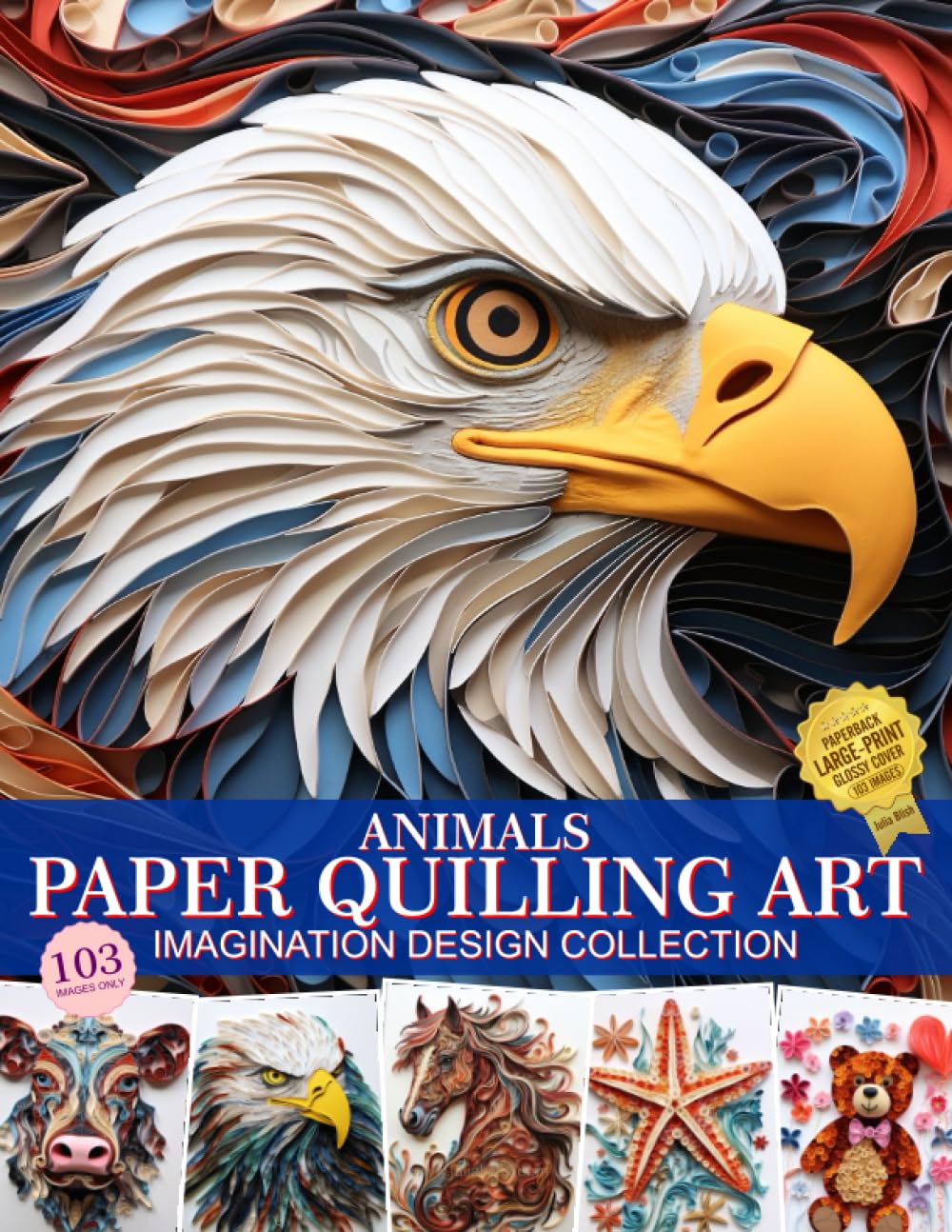
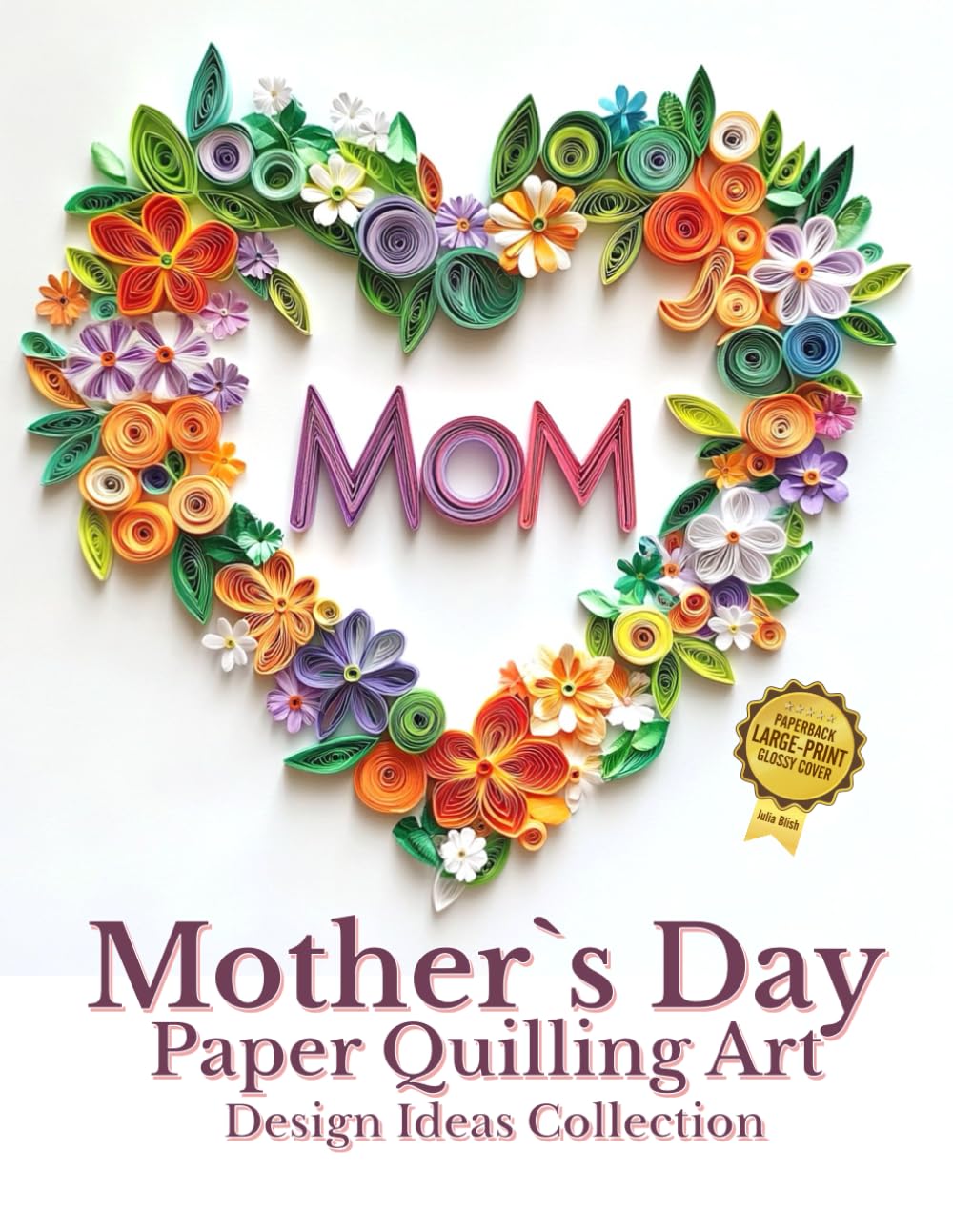
If you've ever finished a paper-quilled ornament or a beautifully shaded coloring page and thought, "someone would actually pay for this," you're probably right. Crafting has quietly become one of the most accessible ways to earn extra income in 2026, especially with online marketplaces making it easier than ever to reach buyers who love handmade goods. You don't need a business degree or a garage full of inventory to start — you just need a plan and a willingness to treat your hobby a little more seriously.
Here are some practical ways to start turning your paper crafting, quilling, or coloring hobby into real money.
1. Sell Finished Pieces
The most direct route is selling what you already make. Quilled earrings, greeting cards, framed wall art, and ornaments are all popular because they're lightweight to ship and feel special to receive. Start small: list a few pieces on Etsy or at a local craft fair to test pricing and see what resonates before investing in a big inventory.
- Photograph your work in natural light against a simple background
- Price for your time, not just materials — factor in at least minimum wage per hour
- Offer a signature style or color palette so buyers recognize your work
2. Create and Sell Digital Downloads
If you love designing coloring pages, quilling patterns, or templates, digital products are a fantastic low-overhead option. Once you create a design, you can sell it infinitely with no shipping, no inventory, and no packaging headaches. Platforms like Etsy, Gumroad, and Creative Market all support instant digital downloads.
- Bundle related designs into themed packs (seasonal coloring pages, quilling letter sets, etc.)
- Include clear instructions or printable guides to add value
- Test a few price points to see what your audience responds to
3. Teach What You Know
Many crafters underestimate how valuable their knowledge is to beginners. If you've mastered a technique — tight coiling, shading blends, paper selection — there's likely someone eager to learn it. Consider recording a short video tutorial, hosting a local workshop, or writing a simple downloadable guide.
- Start with one focused skill rather than trying to teach "everything"
- Use platforms like YouTube, Skillshare, or your own website to host lessons
- Local libraries, community centers, and craft stores often welcome guest workshops
4. Build an Audience Before You Sell
Even a small, engaged following can translate into steady sales. Sharing your process on Instagram, Pinterest, or a blog helps people feel invested in your work before you ever open a shop. Documenting your projects — including the messy parts — builds trust and makes your eventual product listings feel like a natural next step rather than a hard sell.
- Post process photos, not just finished pieces
- Use relevant hashtags and keywords so new crafters can discover you
- Engage genuinely with comments; community drives repeat customers
5. Consider Licensing Your Designs
If your coloring page illustrations or quilling patterns are especially strong, you might license them to publishers, stationery brands, or fabric companies rather than selling them yourself one at a time. This requires more patience and often a portfolio, but it can create passive income streams over time.
Keep the Joy in It
The biggest risk of monetizing a hobby is losing the reason you started it in the first place. Set boundaries — maybe you only take custom orders one week a month, or you cap how many workshops you teach per season. Treat the income as a wonderful bonus to a craft you already love, not a pressure that steals the fun.
Whether you sell one quilled card a month or build a full digital shop of coloring pages, the goal is the same: let your hobby support your creativity, not replace it.