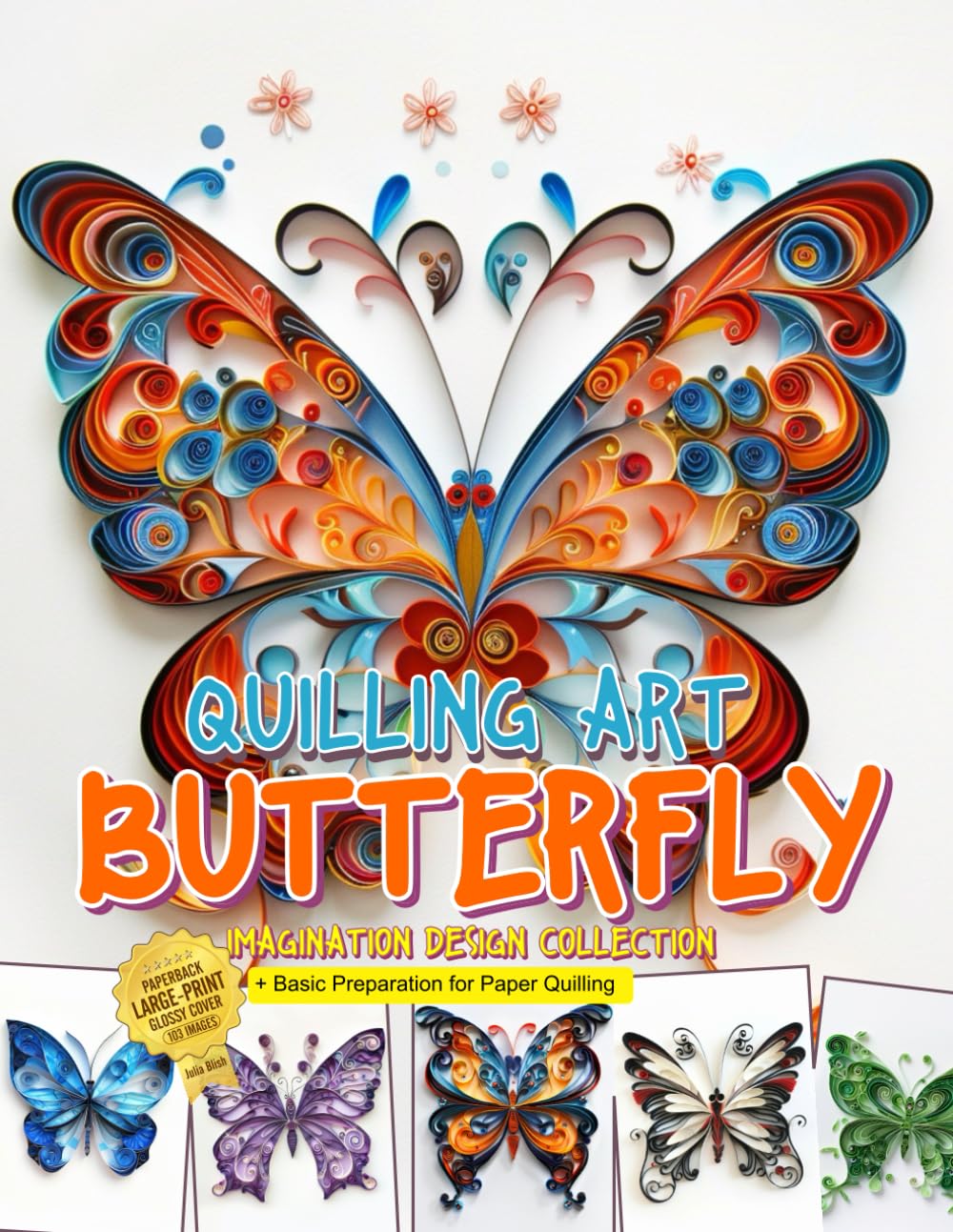
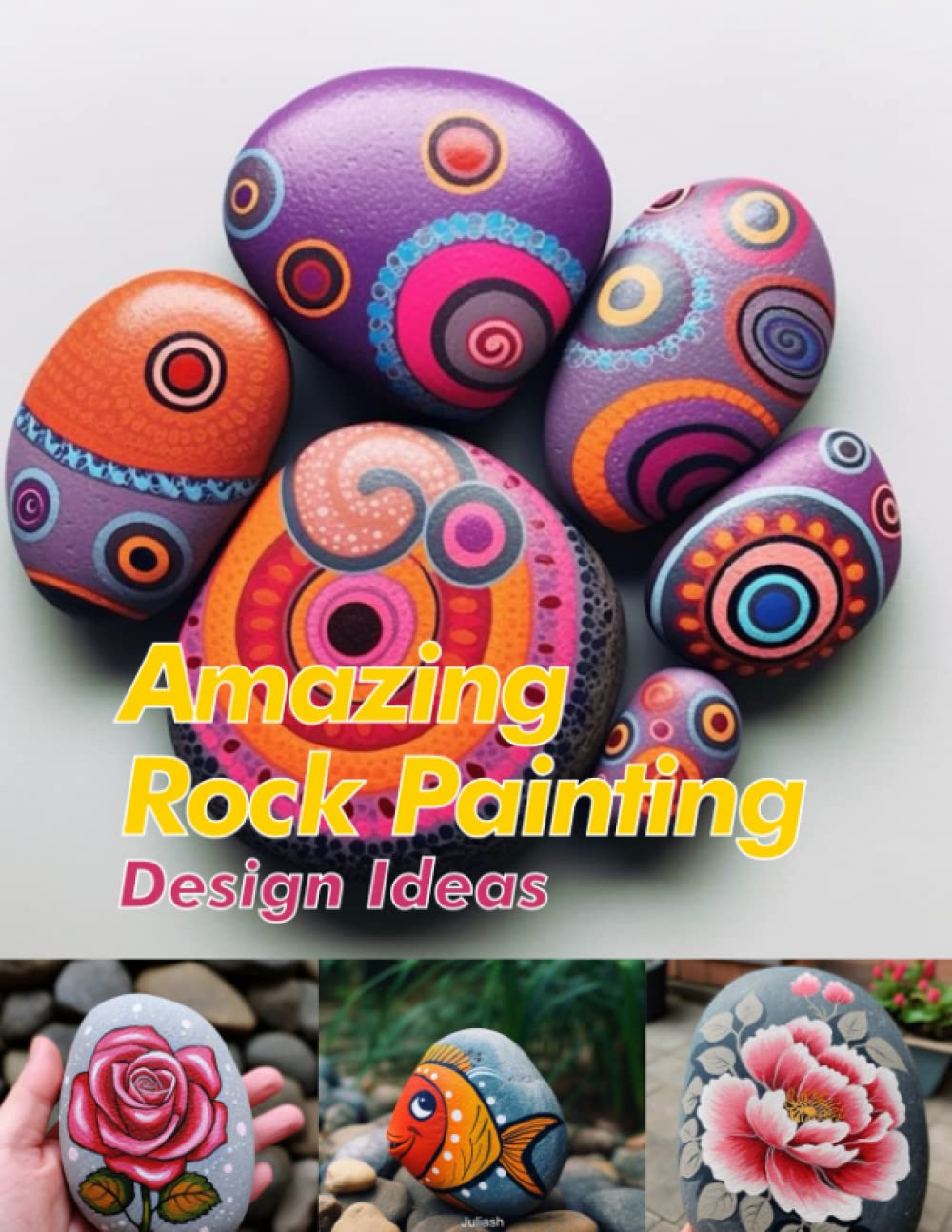
If you've ever finished a paper-quilled ornament or a beautifully colored page and thought, "Someone would actually pay for this," you're not imagining it. In 2026, the handmade market is thriving, and crafters everywhere are quietly turning kitchen-table hobbies into meaningful side income. The good news? You don't need a business degree or a garage full of inventory to get started. You just need a plan that fits your pace and your love for the craft.
Here's how to ease into making money from your craft hobby without burning out or losing the fun.
Start With What You Already Make
Before investing in new supplies or equipment, look at what you're already creating. Quilled greeting cards, framed paper art, coloring pages you've designed for fun, or even scrap-paper bookmarks all have market potential. The goal isn't to reinvent yourself as a full-time entrepreneur overnight — it's to test the waters with projects you genuinely enjoy making.
- Photograph your best pieces in natural light
- Ask friends and family what they'd realistically pay for one
- Set aside a small batch of extra materials so you're ready when interest picks up
Choose Your Selling Space Wisely
You don't have to sell everywhere at once. Pick one or two platforms that match your energy level and audience.
- Etsy or online marketplaces — great for quilled art, coloring book pages, and printable designs
- Local craft fairs and markets — perfect for face-to-face sales and immediate feedback
- Instagram or Pinterest — ideal for building an audience before you even open a shop
- Workshops or classes — teaching quilling basics can be just as profitable as selling finished pieces
Many crafters find that a hybrid approach works best: sell finished pieces online while offering local classes or custom orders on the side.
Price for Your Time, Not Just Your Materials
One of the biggest mistakes new craft sellers make is undercharging. Paper quilling, in particular, is time-intensive — a single intricate piece might take hours of careful rolling and shaping. When pricing, factor in:
- Cost of paper, glue, tools, and packaging
- Your hourly time investment (even at a modest rate)
- Shipping materials and fees
- A small margin for platform costs or craft fair booth fees
It's tempting to price low to attract buyers, but undervaluing your work makes it harder to sustain the hobby-turned-business long term — and it undersells the skill you've spent years developing.
Diversify Beyond Physical Products
Selling finished crafts is just one avenue. Consider these income streams that pair well with a quilling or coloring hobby:
- Printable coloring pages or quilling patterns sold as digital downloads
- Tutorial videos or an online course teaching your techniques
- Craft kits that include pre-cut paper strips and instructions for beginners
- Custom commissions for weddings, nurseries, or holiday gifts
Digital products especially are appealing because they require no shipping and can be sold repeatedly with little extra effort once created.
Protect the Joy
The most important piece of advice: don't let profit replace pleasure. If quilling or coloring becomes only about sales targets and order deadlines, it stops being the relaxing outlet it once was. Set boundaries — maybe you only take custom orders once a month, or you keep one craft purely for yourself, never for sale.
Making money from your craft hobby isn't about scaling into a factory-sized operation. It's about honoring the time and love you've already poured into your art, and letting a few extra dollars validate that effort. Start small, stay authentic to your style, and let your income grow at the same pace as your confidence.