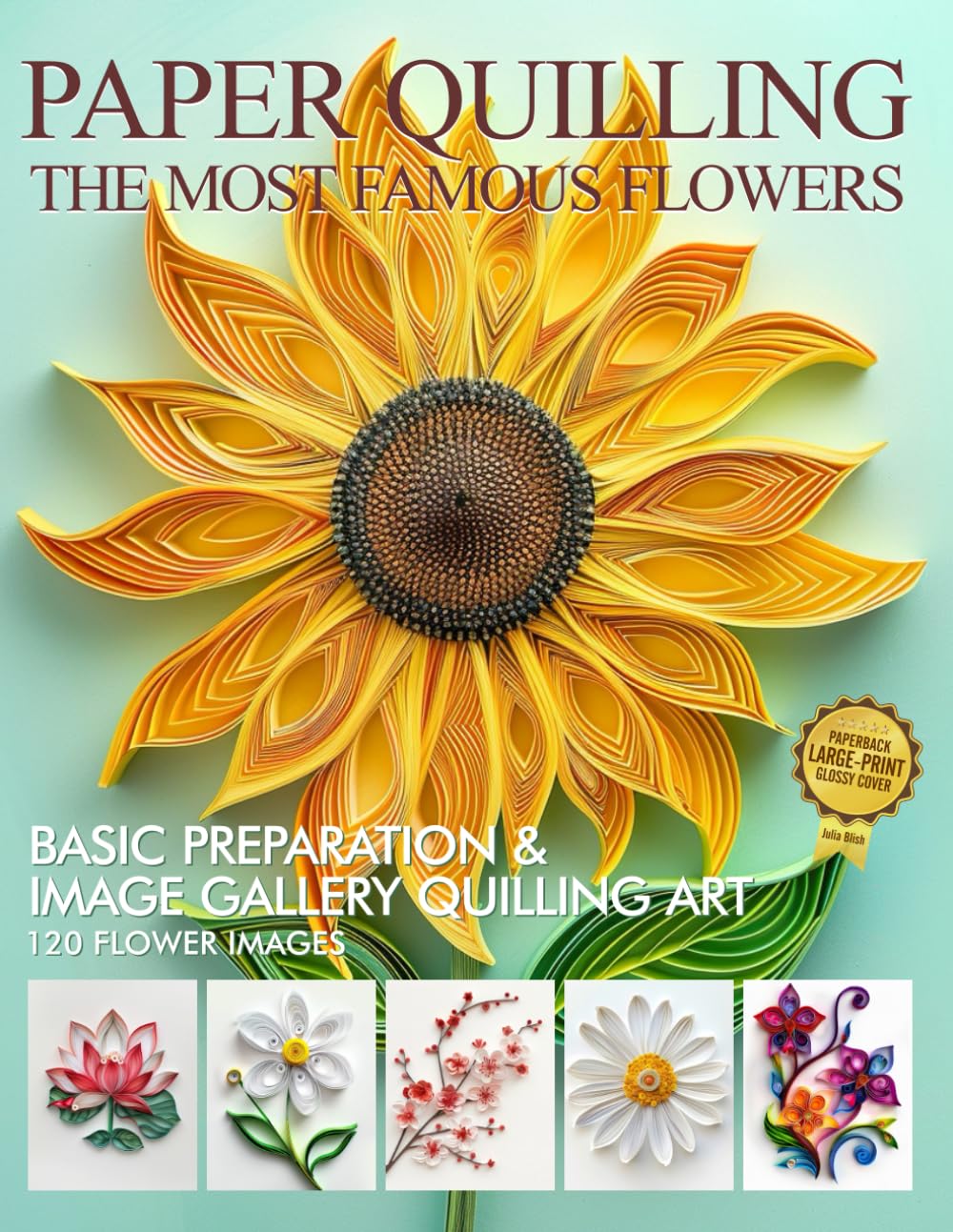
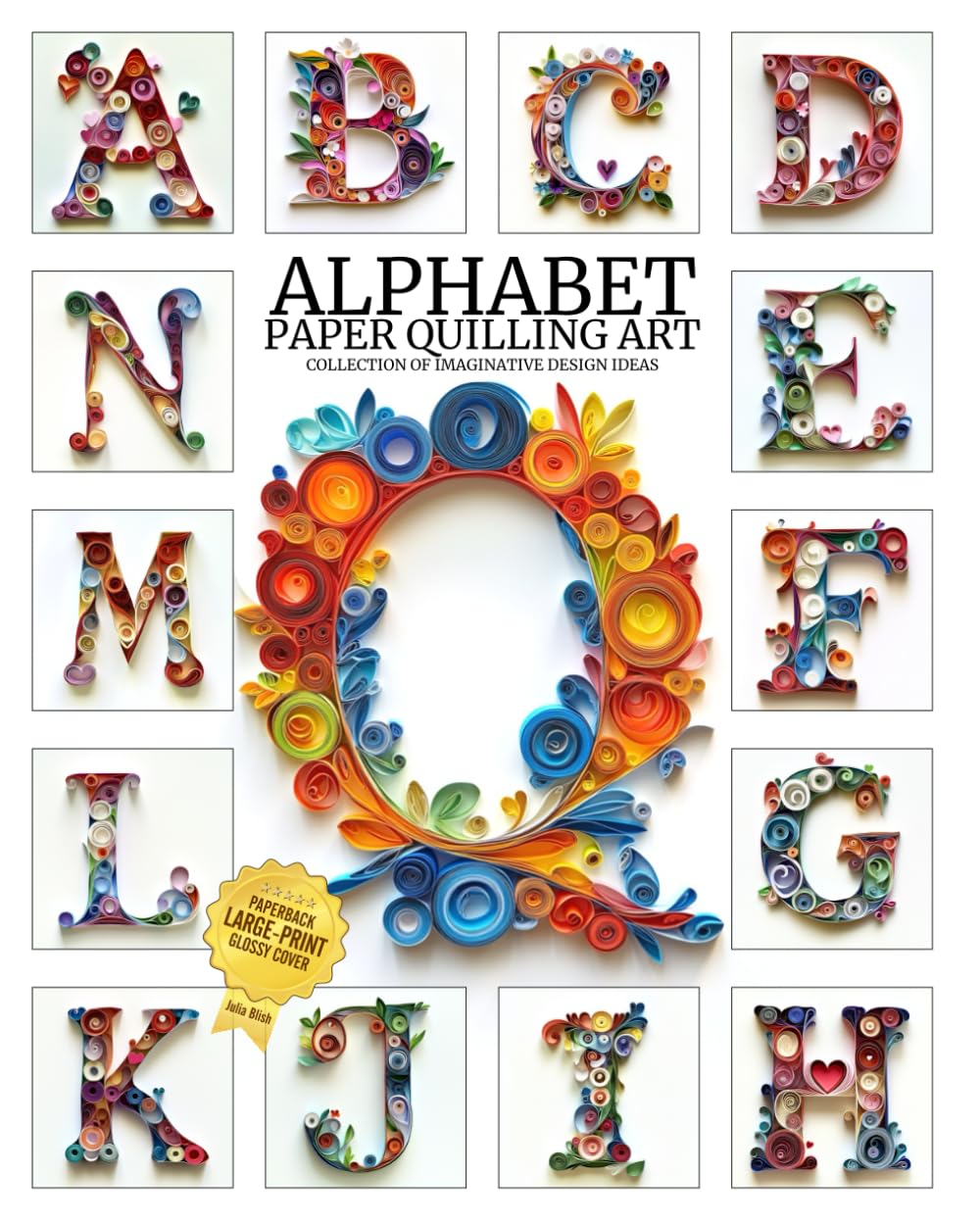
If you've ever finished a paper-quilled ornament or a beautifully colored page and thought, "someone would actually pay for this," you're not imagining things. In 2026, the handmade market is thriving, and crafters everywhere are turning kitchen-table hobbies into real income streams. The best part? You don't need to quit your day job or reinvent yourself as a business mogul to start. You just need a plan.
Start With What You Already Love Making
The most sustainable craft businesses grow out of genuine enthusiasm, not chasing trends. If you love quilling, don't force yourself into resin jewelry because it's popular. Instead, ask what people already compliment you on. Is it your intricate quilled florals? Your color palettes in adult coloring pages? That instinct is your starting product line.
- Make a list of the last five projects that got the most compliments or questions.
- Note which ones you enjoyed making, not just the ones that turned out pretty.
- Circle the overlap — that's your sweet spot for selling.
Choose Your Selling Format
Not every hobby needs to become physical inventory. There are several ways to monetize craft skills, and mixing a few often works best:
- Finished products: Sell quilled cards, framed art, or ornaments at craft fairs or online shops like Etsy.
- Digital downloads: Printable coloring pages, quilling patterns, or templates require no shipping and can sell while you sleep.
- Kits: Bundle paper strips, tools, and instructions so beginners can try quilling without guesswork.
- Teaching: Host a local workshop, sell an online class, or offer one-on-one tutoring for a craft you know well.
- Custom orders: Personalized pieces — names, wedding colors, pet portraits in quilled paper — often command higher prices.
Price With Confidence, Not Guilt
Many crafters undercharge because they feel weird asking money for something that started as "just a hobby." Fight that instinct. Calculate your materials cost, then add an hourly rate for your time, even if it's modest at first. Round up, not down. If a piece takes three hours and materials cost $8, and you value your time at $15/hour, that's $53 minimum — not $20 because it "was fun to make." Your time and skill have value, even in year two or twelve of doing this.
Build a Simple Online Presence
You don't need a fancy website to start selling in 2026. A well-photographed Instagram or TikTok account showing your process, combined with an Etsy shop or a simple online store, is enough to get moving. Good lighting and a clean background do more for sales than expensive equipment. Show your hands at work — people love watching quilling take shape strip by strip, or a coloring page come alive layer by layer.
Test Before You Invest
Before ordering fifty sets of specialty paper or printing a hundred coloring books, test small. Sell at a local market, post a few digital downloads, or offer a limited kit run of ten. See what sells, gather feedback, and adjust. This protects your budget and your motivation — nothing kills hobby joy faster than a garage full of unsold inventory.
Protect the Joy
Here's the honest truth: turning a hobby into income changes it a little. Deadlines and customer requests replace pure creative freedom sometimes. Guard against burnout by keeping at least one project purely for yourself — no selling, no photographing for social media, just making because you love it. This keeps your well of inspiration full and your business sustainable for years to come.
Whether you're selling quilled bookmarks at a farmers market or launching a coloring book series, the path from hobby to income is built one small, honest step at a time. Start where you are, price fairly, and let your genuine love for the craft shine through — that authenticity is exactly what customers are looking for.