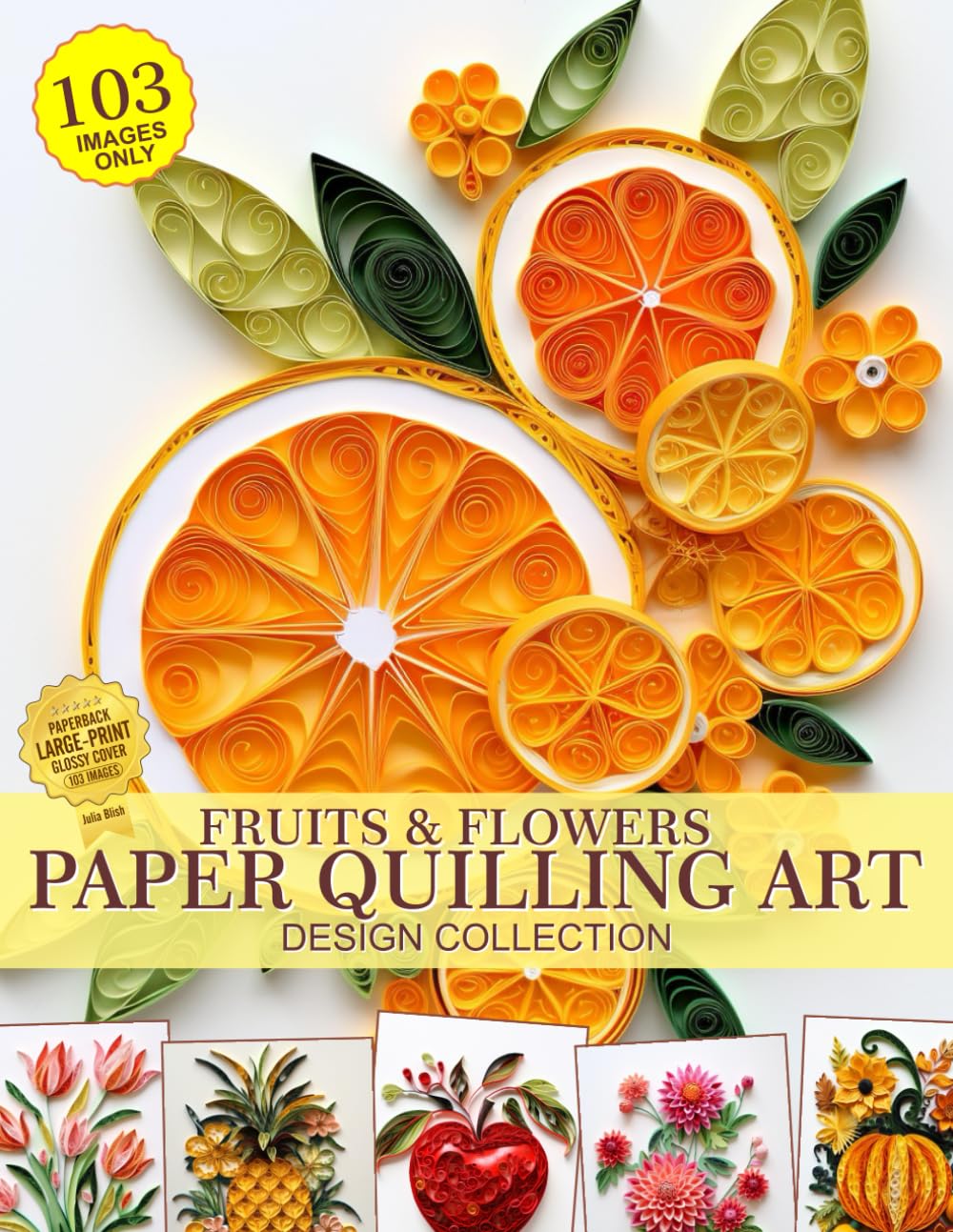
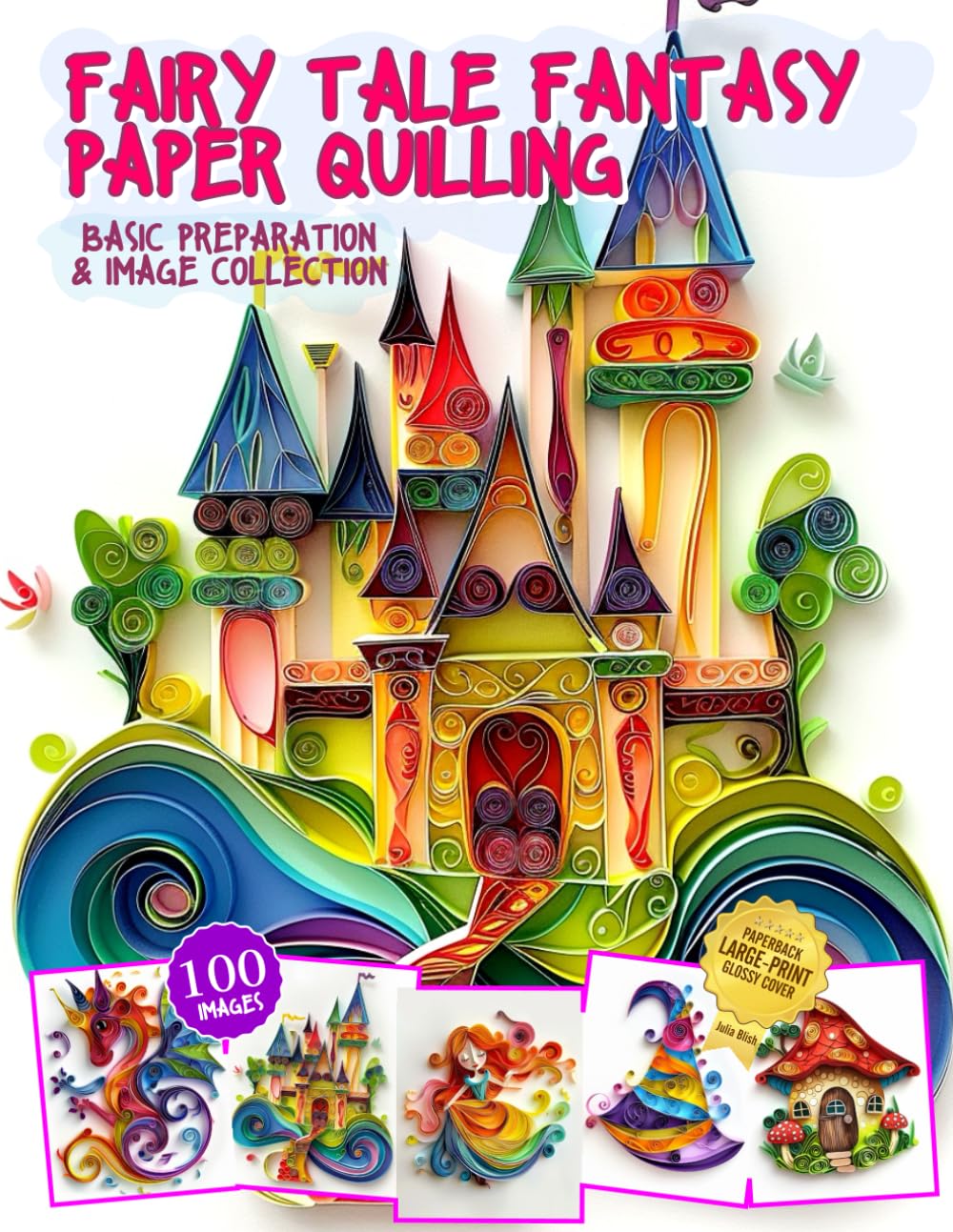
Every crafter reaches a moment when a friend admires a quilled ornament or a finished coloring page and asks, "Could I buy one of these?" That question is the seed of a whole side income. In 2026, with online marketplaces, print-on-demand tools, and social platforms more accessible than ever, turning your hobby into a small business is genuinely within reach — and you don't need to quit your day job or invest thousands to start.
Start With What You Already Love Making
The best craft businesses grow out of things you'd make anyway. If you're a paper quilling enthusiast, that might mean greeting cards, framed art, or holiday ornaments. If coloring is your happy place, you might create your own printable coloring pages or sell finished, framed pieces. The goal isn't to reinvent your hobby — it's to find the version of it people want to buy.
- Notice what people compliment most when they see your work
- Think about which projects you enjoy repeating without getting bored
- Consider what's realistic to make in batches, not just one-offs
Low-Risk Ways to Test the Waters
Before investing in inventory, business cards, or a website, test demand with minimal risk.
- Craft fairs and pop-up markets let you gauge interest face-to-face and get instant feedback
- Etsy or similar marketplaces are ideal for quilled cards, framed art, or digital coloring page downloads
- Social media — posting process videos of quilling or coloring often builds an audience before you ever sell a single item
- Local shops and gift boutiques may take your pieces on consignment, so you don't need to sell them yourself
Digital Products Are a Crafter's Secret Weapon
One of the most beginner-friendly ways to earn from a craft hobby is selling digital downloads. If you design your own coloring pages, quilling patterns, or templates, you can sell them again and again without restocking supplies or shipping anything. A single well-made pattern or coloring sheet can generate income for years with almost no ongoing effort — perfect for crafters who want passive income alongside their physical creations.
Price for Your Time, Not Just Materials
New sellers often price only for supplies, forgetting the hours spent designing, assembling, and packaging. A good rule of thumb: calculate materials cost, then add an hourly rate for your time, even a modest one, plus a bit extra for overhead like packaging or listing fees. It feels uncomfortable at first, but underpricing is the fastest way to burn out on something you used to love.
Build in Public — Slowly
You don't need a polished brand on day one. Share your process, your mistakes, and your favorite finished pieces. Followers connect with the story behind the craft as much as the craft itself. A short video of quilling coils coming together or a time-lapse of a coloring page filling with color often performs better than a perfectly staged product photo.
Know When to Say No
Once people know you craft, requests will come — free birthday gifts, discounted bulk orders, custom projects with tight deadlines. It's okay to keep some of your hobby just for you. The healthiest craft businesses protect a little creative space that stays purely for joy, so the hobby that made you money doesn't quietly become the hobby you resent.
Keep It Realistic
Most successful hobby-to-income stories start small: a few sales at a market, a handful of Etsy orders, a small but loyal newsletter list. Growth usually comes from consistency, not big leaps. If you enjoy the process of making, sharing, and slowly building an audience, the income tends to follow naturally, one quilled card or colored page at a time.