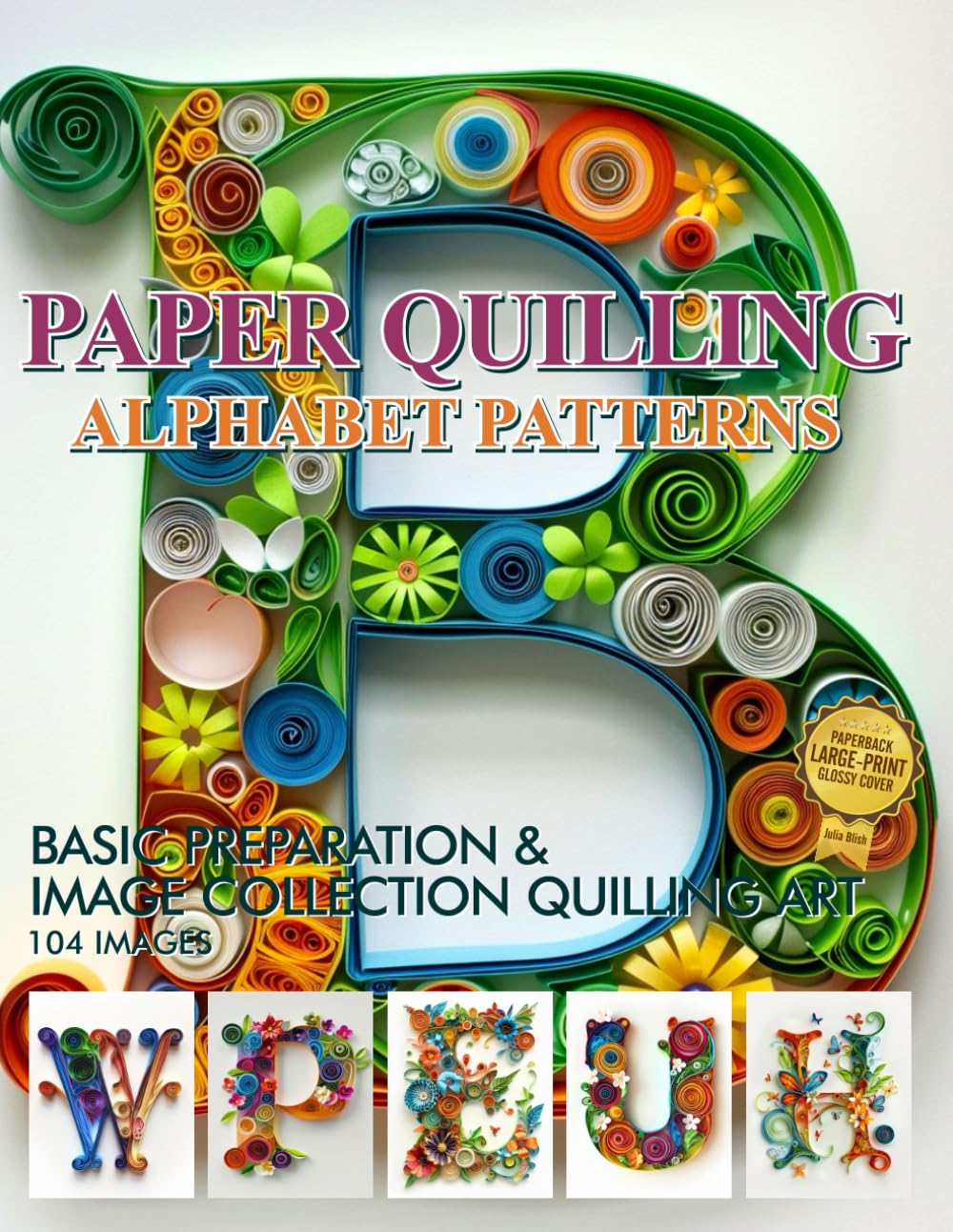
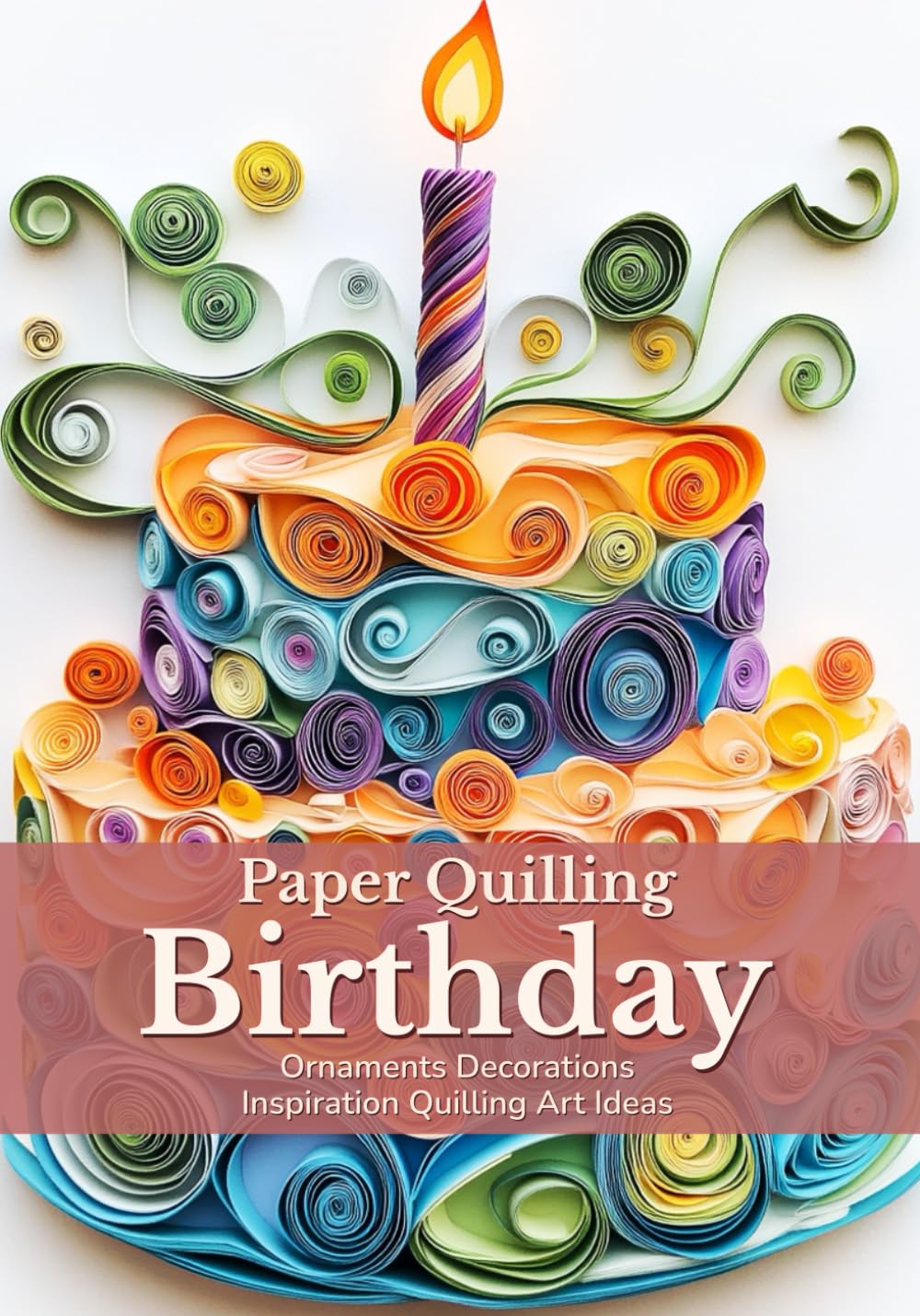
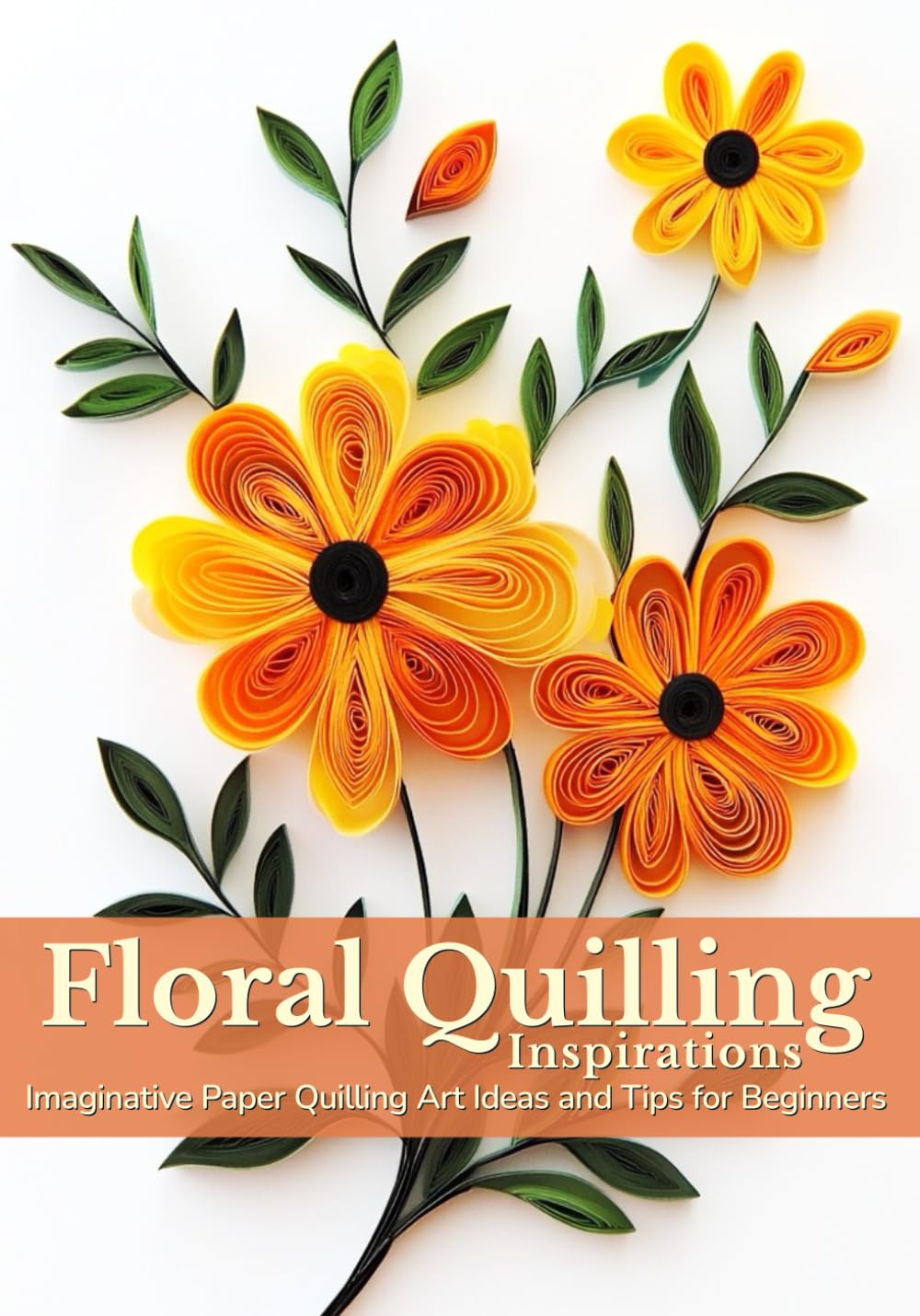
If you're anything like the crafters I hear from every week, you've got a growing collection of quilled flowers, framed paper art, or handmade cards that friends keep telling you to sell. Here's the good news: 2026 is a fantastic time to turn that hobby into a small business, whether you want a few extra dollars for supplies or a legitimate side income. You don't need a business degree — you just need a plan and a willingness to start small.
Start With What You Already Love Making
The biggest mistake new crafty entrepreneurs make is trying to create an entirely new product line for selling instead of leaning into what they already enjoy. If quilled greeting cards bring you joy, start there. Your enthusiasm will show in the quality of your work, and customers can feel that authenticity.
- Look at your last 10 finished projects — which ones did people compliment most?
- Notice which techniques feel effortless to you now that once felt hard.
- Consider what you'd be happy making 50 times over without losing interest.
Pick Your Selling Platform
You have more options than ever this year for getting your work in front of buyers.
- Etsy or similar marketplaces — great for reaching people already searching for handmade paper art.
- Local craft fairs and markets — wonderful for immediate feedback and cash sales.
- Instagram or Pinterest shops — ideal if you enjoy documenting your process and building a following.
- Custom commissions — perfect for quilled portraits, wedding pieces, or personalized gifts where you can charge premium prices.
Many successful crafters use two or three of these together rather than betting everything on one platform.
Price Your Work Fairly (For You and Your Customers)
Undercharging is the number one reason hobbyists burn out before their craft business gets off the ground. A simple formula to start with: add up your materials cost, multiply your hourly rate by the time spent, then add a bit extra for overhead like packaging and platform fees.
- Track your time honestly for at least five projects before setting standard prices.
- Don't forget to value your design time, not just the assembly.
- Remember that handmade paper art has real value — quilling especially takes patience and skill most people can't replicate.
Build Slowly and Sustainably
You don't need to quit your day job or invest in expensive equipment right away. Some of the best craft businesses I know started with a single Etsy listing or one local market booth.
- Set a small, realistic goal like selling five pieces this month.
- Reinvest early profits into better materials or photography rather than spending it all right away.
- Keep a simple spreadsheet of expenses and sales so tax season doesn't sneak up on you.
Consider Teaching, Too
If you love quilling or paper crafting enough to write about it, teaching might be just as profitable as selling finished pieces. Workshops, online tutorials, printable patterns, or even a small e-book can bring in income while spreading your love of the craft.
- Host a beginner quilling class at a local library or craft store.
- Create a simple downloadable pattern pack for popular projects.
- Film short tutorials for platforms where crafters are searching for guidance.
Enjoy the Process
Above all, remember why you started crafting in the first place. Turning a hobby into income should add joy to your life, not drain it. Start small, stay patient, and let your growing skills and confidence guide how big you want this new venture to become. Whether you end up selling a handful of pieces a year or building a full-time paper-craft business, every quilled coil and folded edge you create is proof that your hobby has real value — both to you and to the people lucky enough to bring your work into their homes.