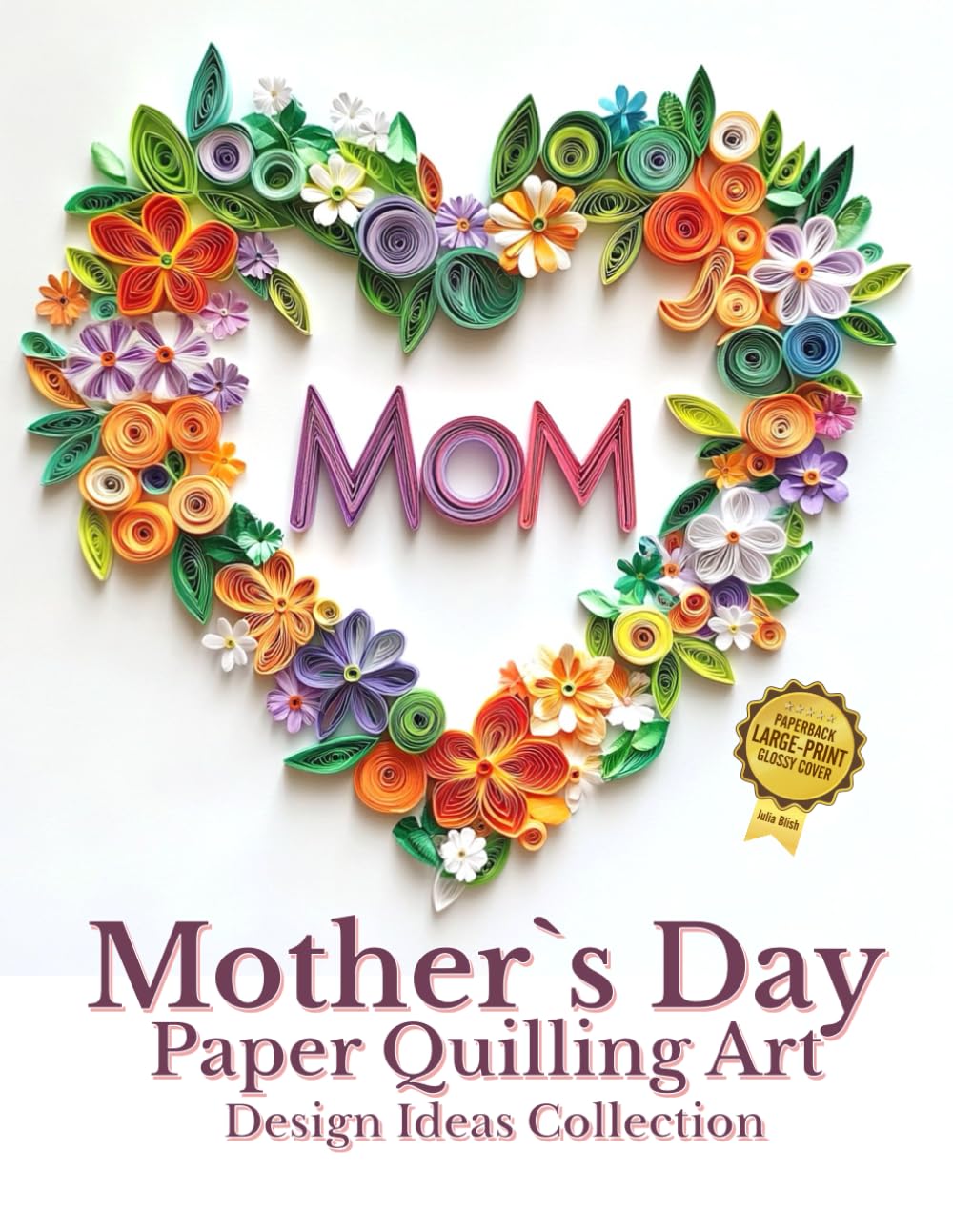
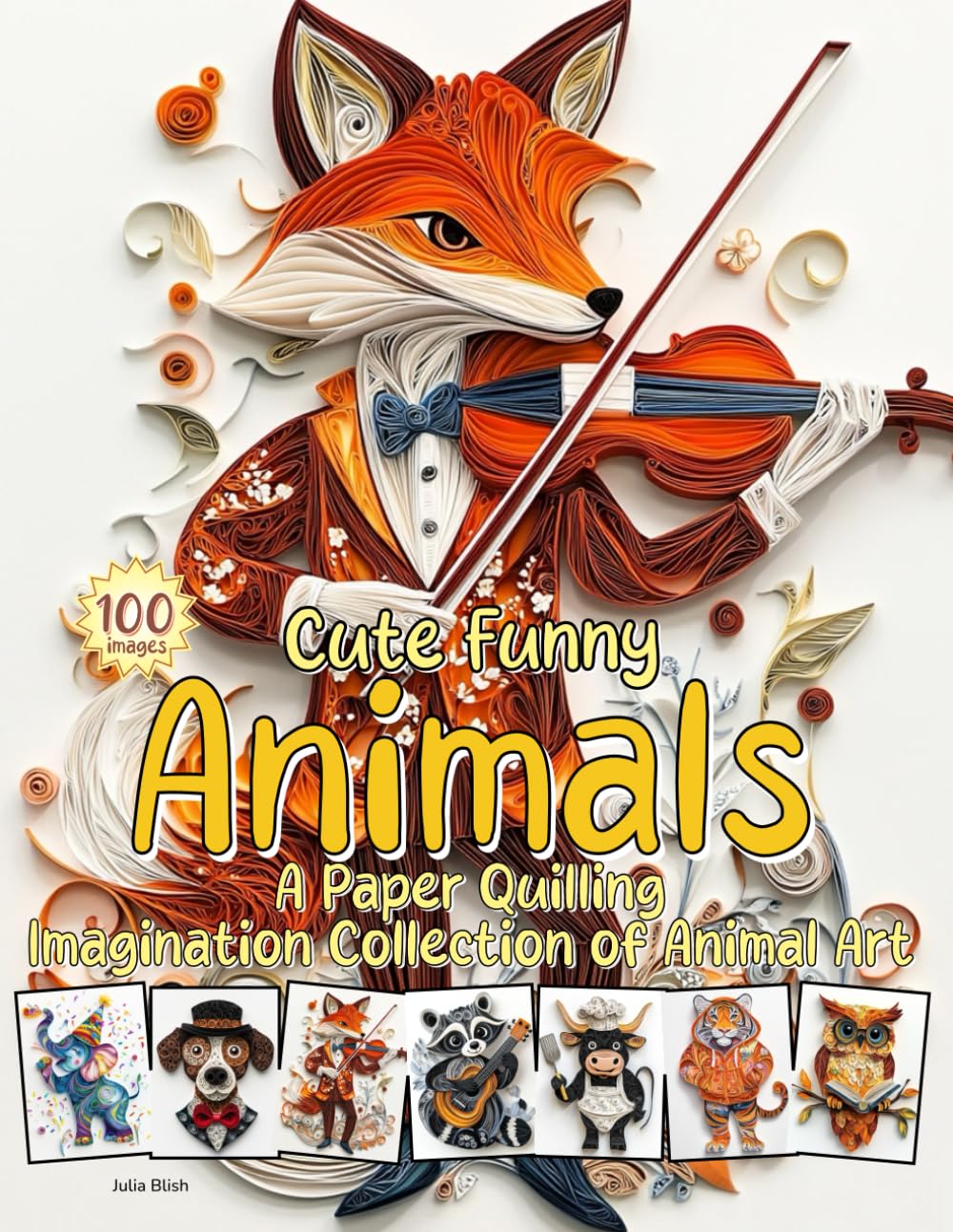
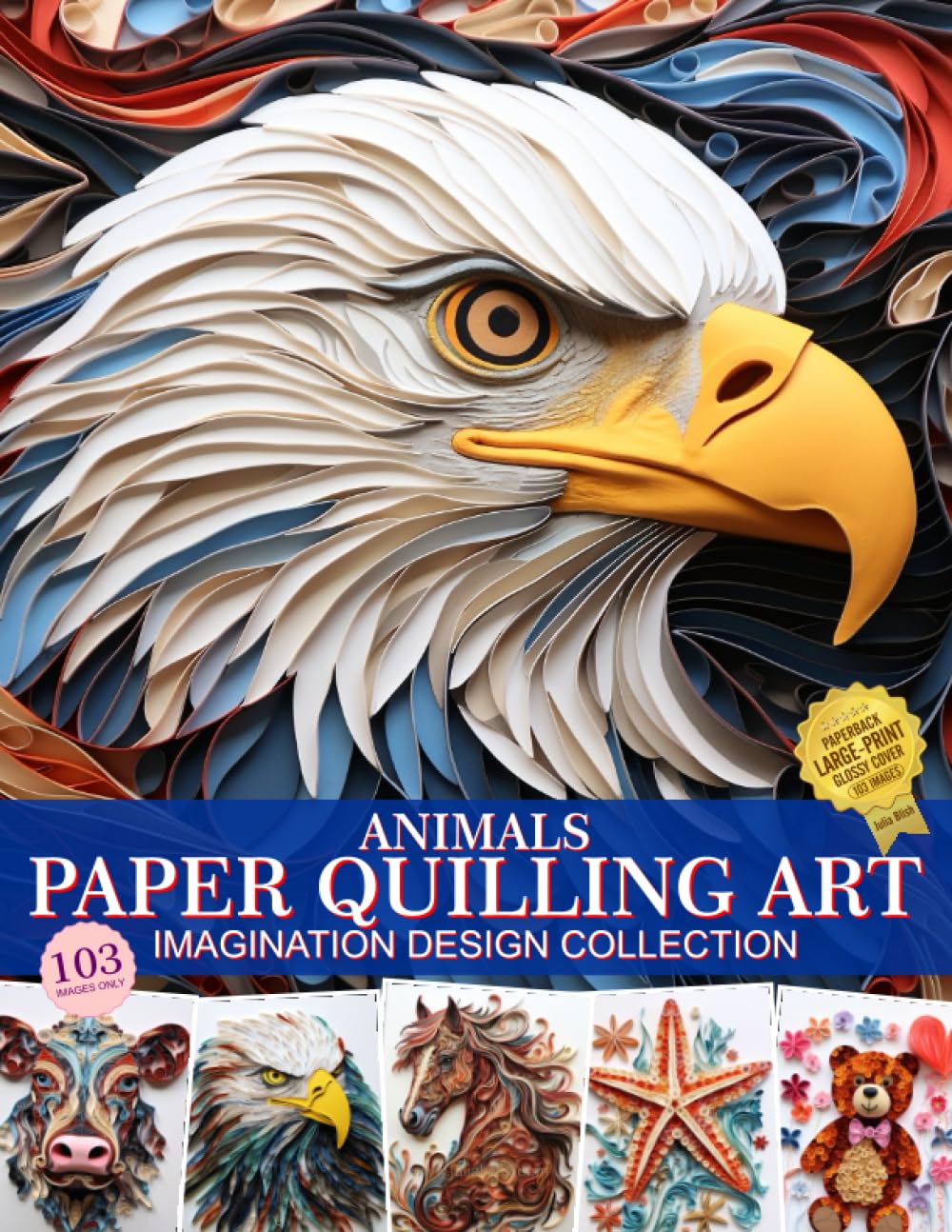
Papercraft is one of the most accessible and rewarding hobbies out there. With just a few tools and some quality paper, you can create everything from intricate paper quilling designs to stunning 3D sculptures. Whether you're a beginner or a seasoned crafter looking for fresh inspiration, these tips and ideas will help you make the most of your papercraft journey in 2026.
Start With the Right Tools
Every great papercraft project begins with the right supplies. Investing in quality tools makes a noticeable difference in your finished work.
- A sharp craft knife and cutting mat for clean, precise cuts
- A slotted quilling tool for rolling coils quickly and evenly
- Bone folders for crisp, professional-looking folds
- Acid-free adhesive to keep your projects looking fresh for years
- A good ruler and quilling board for consistent shapes and sizes
Quality paper matters too. Cardstock works well for structural projects, while lightweight quilling paper strips are ideal for delicate coils and scrolls.
Master the Basics Before Getting Fancy
It's tempting to jump straight into elaborate designs, but mastering foundational techniques pays off in the long run. Practice rolling tight and loose coils, folding basic origami bases, and cutting straight lines before attempting complex projects. These fundamentals will make advanced techniques, like 3D paper sculpture or layered mandalas, much easier to execute.
Try These Beginner-Friendly Project Ideas
If you're searching for inspiration, here are a few papercraft projects perfect for building skills and confidence:
- Quilled greeting cards: Simple coils and shapes arranged into flowers or geometric patterns make gorgeous, personalized cards.
- Paper flower bouquets: Rolled paper roses and layered petals create long-lasting arrangements for home decor.
- Origami gift boxes: Functional and beautiful, these boxes are great for practicing precise folds.
- Layered paper wall art: Cut multiple layers of colored paper to create dimensional scenes or mandalas.
- Coloring page collages: Combine coloring book pages with cut-paper elements for mixed-media projects.
Color Theory Makes a Difference
Choosing the right color palette can transform a simple project into a showstopper. Consider complementary colors for bold contrast, or analogous colors for a soft, harmonious look. When working with quilling paper, lay out your color combinations before you start rolling coils to visualize how the finished piece will look.
Organize Your Workspace
Papercraft often involves tiny pieces, delicate strips, and multiple tools. Keeping your workspace organized will save you time and frustration.
- Use labeled containers for paper strips sorted by color and width
- Keep a small tray for finished coils so they don't get crushed
- Store adhesives upright to prevent spills
- Work on a clean, flat surface with good lighting
Don't Be Afraid to Experiment
Some of the best papercraft ideas come from happy accidents. Try combining techniques, such as adding quilled accents to origami models or incorporating cut-paper silhouettes into layered art. Mixing textures, like matte and metallic papers, can also add visual interest to your projects.
Find Inspiration Everywhere
Nature, architecture, and even fabric patterns can spark new papercraft ideas. Keep a sketchbook or a digital folder of images that inspire you, and don't hesitate to revisit old projects with a fresh perspective. Sometimes a technique you learned months ago can be repurposed in a completely new way.
Papercraft is a wonderfully forgiving medium that rewards patience and creativity. Whether you're rolling your first coil or designing an elaborate paper sculpture, these tips will help you build skills, stay organized, and keep the inspiration flowing. Grab your tools, pick a project, and let your creativity unfold one fold, cut, and curl at a time.