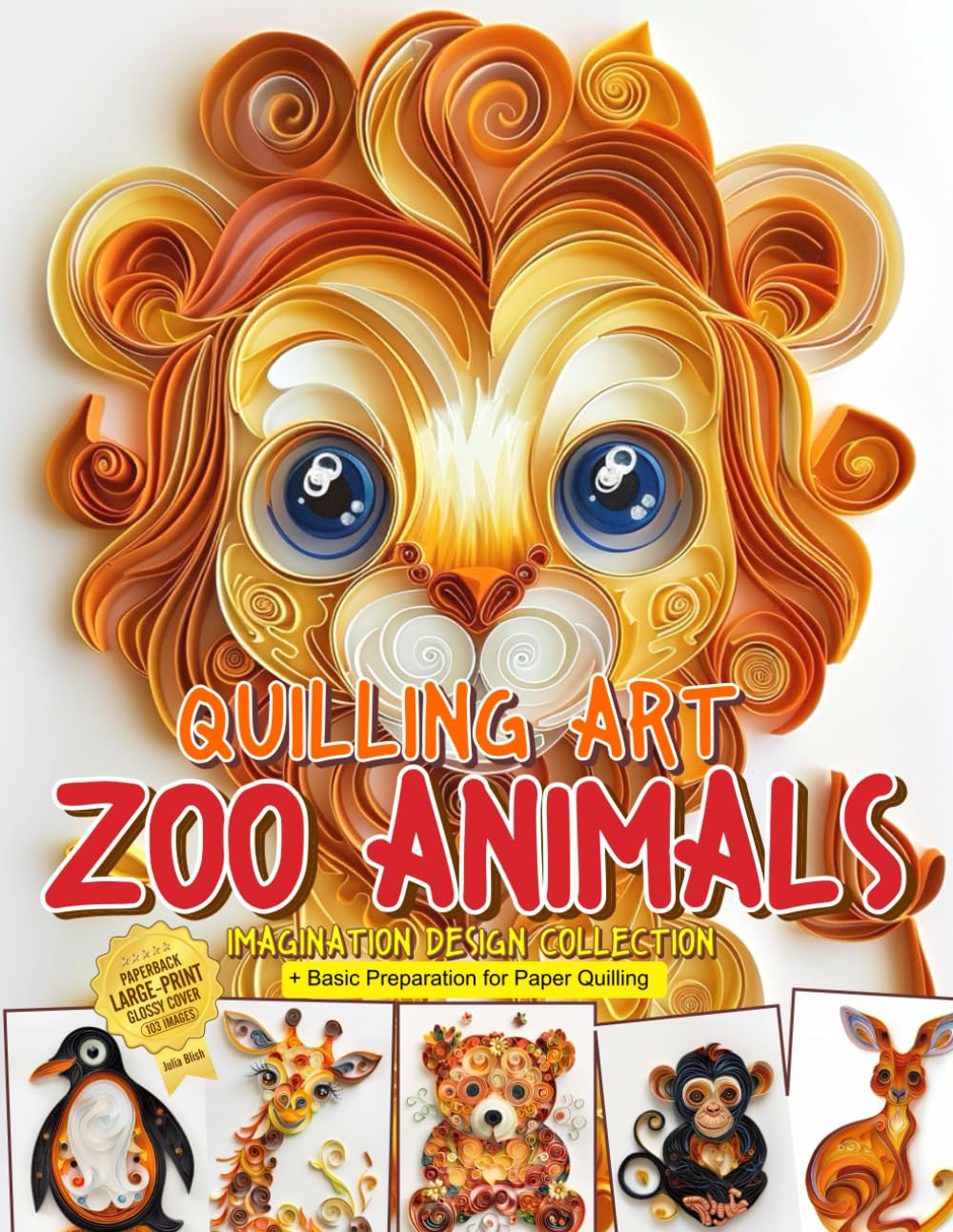
Papercraft is one of the most forgiving and rewarding hobbies out there. Whether you're a longtime paper quiller or just starting to explore folding, cutting, and layering paper into art, a few smart habits can save you time, frustration, and wasted supplies. Here are my favorite tips and ideas gathered from years of working with paper in every form.
Start With the Right Paper
Not all paper behaves the same way. Cardstock holds sharp folds and stands up well for 3D projects, while lightweight paper is better for delicate quilling coils or layered collage work. Before starting a big project, test a small scrap to see how the paper reacts to bending, gluing, and cutting. This tiny extra step prevents a lot of heartache halfway through a piece.
Keep Your Tools Sharp and Organized
Dull scissors and blades tear paper instead of cutting it cleanly, which can ruin even the best design. Replace craft blades often and keep a dedicated cutting mat so your table stays protected. A small tackle box or drawer organizer works wonders for storing quilling tools, bone folders, adhesives, and tiny embellishments so nothing gets lost between projects.
Embrace the Power of a Bone Folder
If you don't already own a bone folder, add one to your toolkit today. This simple tool creates crisp, professional-looking creases on cards, boxes, and origami folds. Running the edge along a fold line takes seconds but makes a noticeable difference in the finished look of your work.
Glue Smarter, Not Messier
Too much glue is one of the most common papercraft mistakes. It causes warping, visible residue, and long drying times. Try these approaches instead:
- Use a fine-tip glue applicator for controlled, small dots
- Apply glue to the paper, not directly from a squeeze bottle, for better precision
- Let quilled pieces dry fully before attaching them to a base
- Keep a damp cloth nearby to wipe fingers and tools as you go
Play With Layering and Dimension
One of the easiest ways to elevate a papercraft project is through layering. Adding foam dots or small paper strips behind cutouts creates shadow and depth, making flat designs feel alive. This technique works beautifully for greeting cards, shadow boxes, and mixed-media art pieces.
Color Outside the Lines
Papercraft pairs wonderfully with coloring. Try coloring a printed image first, then adding cut paper accents, quilled flowers, or folded elements on top. This blending of techniques gives your projects a custom, gallery-worthy look without requiring advanced skills.
Repurpose Scraps Creatively
Save those odd-shaped leftover pieces! Tiny paper scraps are perfect for:
- Quilled filler shapes like teardrops and shells
- Confetti for cards or scrapbook pages
- Background texture in collage art
- Mini gift tags or bookmarks
Not only does this reduce waste, it often sparks new ideas you wouldn't have tried otherwise.
Set Up a Dedicated Workspace
Even a small corner of a table can become a productive papercraft station. Keep your most-used tools within arm's reach, store paper flat to prevent curling, and use a lazy Susan or turntable for quilling projects that require rotating as you work. A tidy, well-lit space makes every project more enjoyable.
Practice Patience With Complex Projects
Intricate papercraft, like detailed quilling or elaborate paper cutting, rewards patience over speed. Break larger projects into smaller sessions rather than rushing to finish in one sitting. Not only does this reduce fatigue and mistakes, it also makes the creative process more relaxing.
Keep Experimenting
The best papercraft ideas often come from simply trying something new: a different paper weight, an unexpected color combination, or mixing quilling with painting or stamping. Give yourself permission to experiment on scrap paper before committing to your final piece.
With the right tools, a little patience, and a willingness to play, papercraft can turn a stack of colorful paper into something truly special. Keep these tips in your back pocket, and you'll find your next project coming together more smoothly than ever.