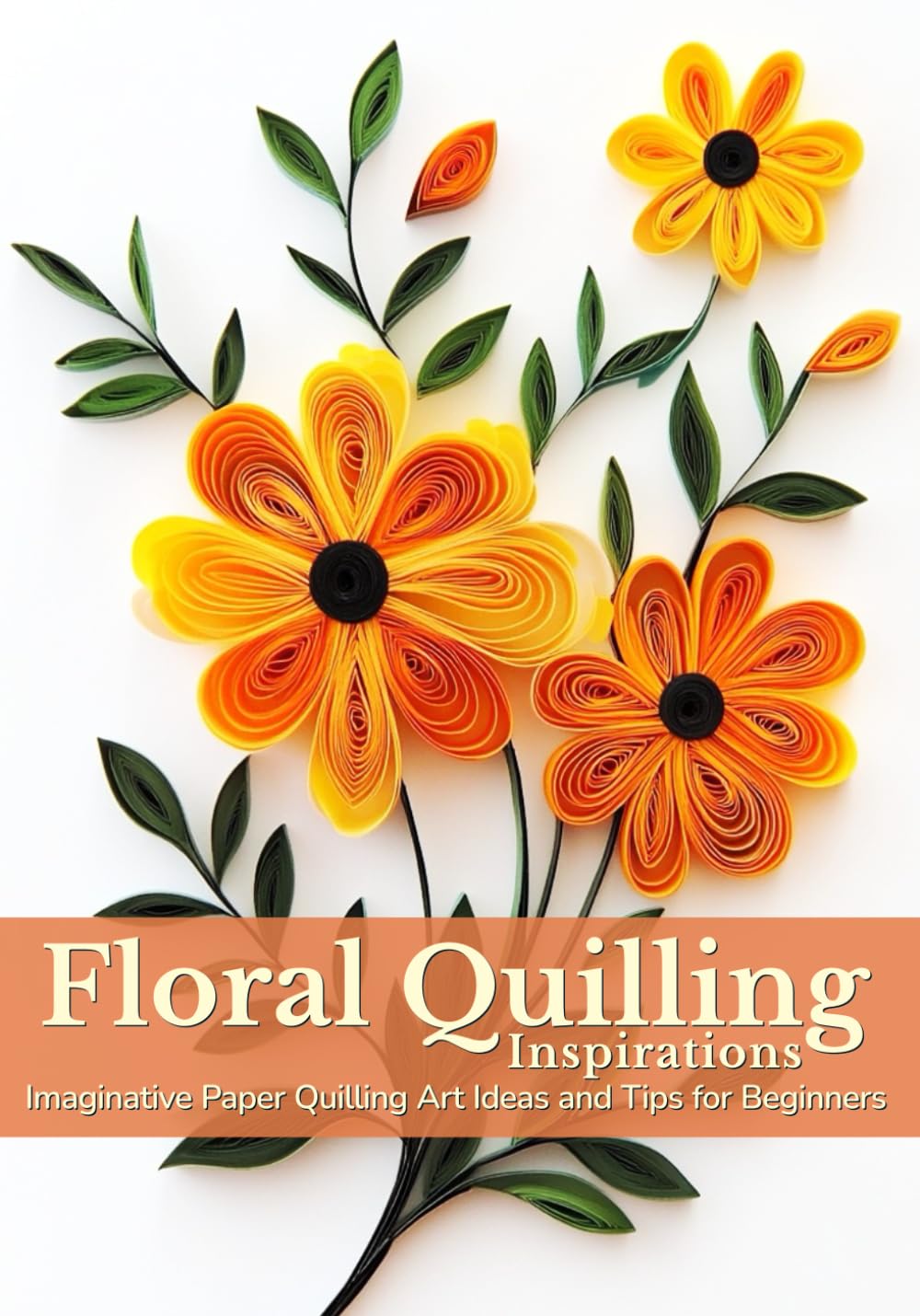
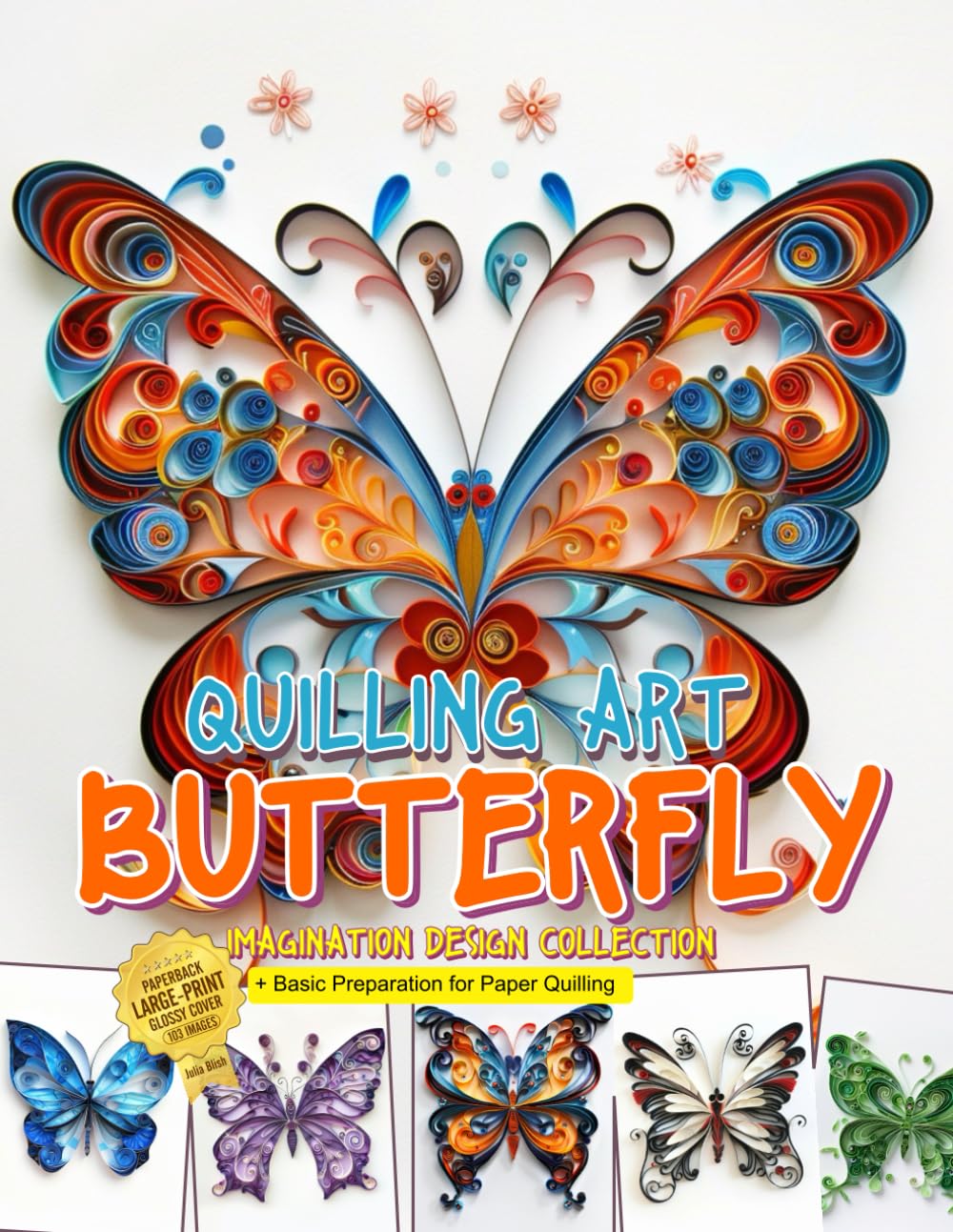
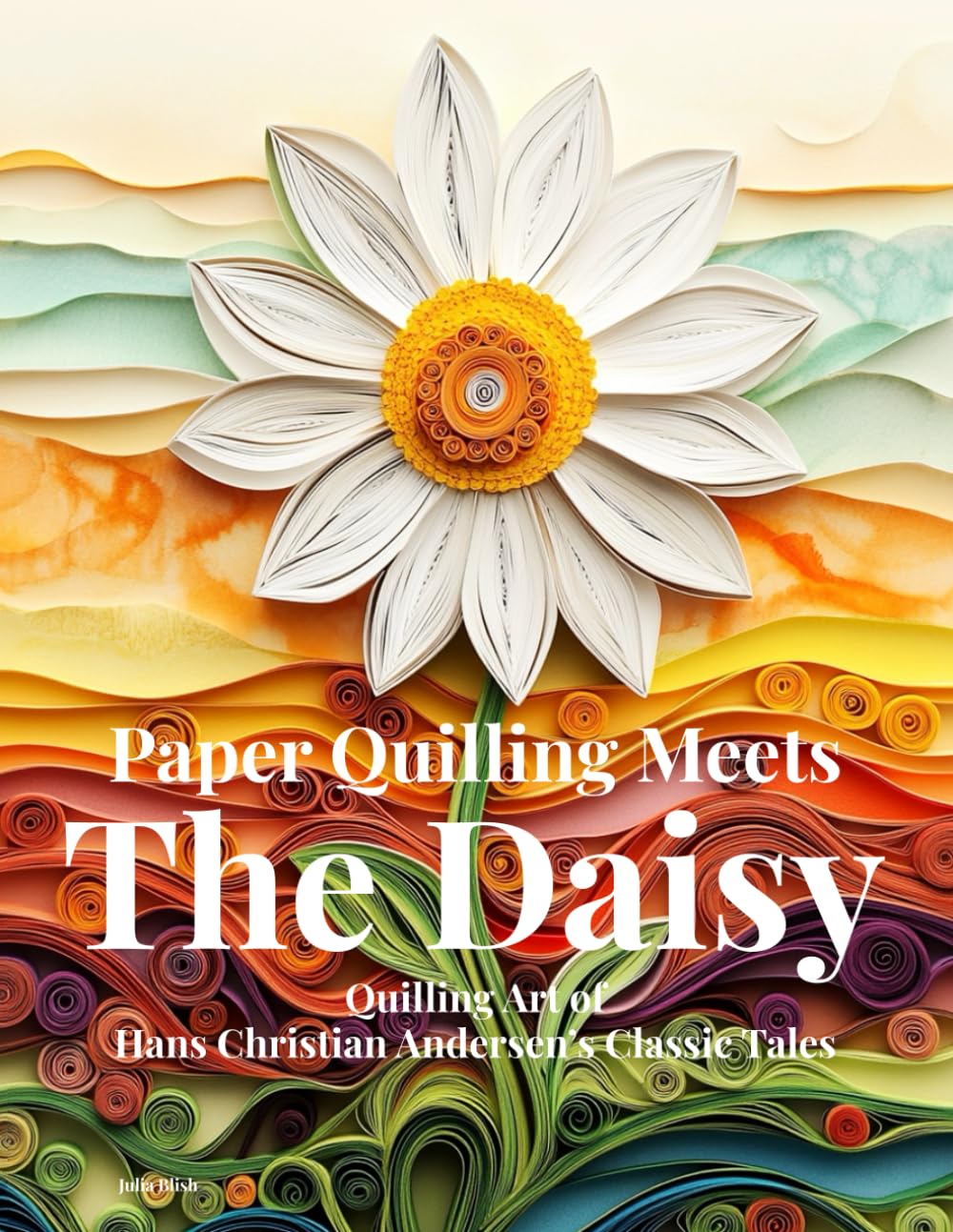
If you've ever finished a beautiful paper quilling piece and thought, "someone would actually pay for this," you're probably right. Etsy remains one of the best places for handmade artists to find buyers who appreciate the time, precision, and heart that goes into every curl of paper. But turning a hobby into a real shop takes more than just listing a few photos. Here's what actually works in 2026.
Start With a Clear Niche
Etsy shoppers are searching for something specific, not just "art." Are you making quilled floral wall art, nursery decor, personalized name signs, or coloring books that pair with your craft designs? The more specific your niche, the easier it is for the right buyer to find you. Julia's own shops have always done best when each collection has a clear identity — think "botanical quilling prints" rather than a mixed bag of everything.
Photograph Like It's Your Full-Time Job
Paper quilling has incredible texture and dimension, but that's easy to lose in flat, poorly lit photos. Shoot in natural light near a window, and take close-up shots that show the layered paper strips and shadows. Include a photo with a size reference (a hand, a ruler, or a coin) so buyers understand scale before they commit to buying.
- Use a plain, neutral background so the art itself pops
- Show the piece framed and unframed if possible
- Add a lifestyle shot — hung on a wall, propped on a shelf
- Include a short video or GIF showing the texture up close
Write Titles and Tags Buyers Actually Search
Etsy SEO isn't magic — it's about matching the words real shoppers type into the search bar. Instead of "Abstract Art," try "Quilled Paper Flower Wall Art, 3D Botanical Décor." Use all 13 tags Etsy gives you, and think like your customer: are they searching for a gift, a room theme, or an occasion like a wedding or nursery?
- Front-load titles with your most important keywords
- Use tags for gift occasions: "housewarming gift," "mom birthday gift"
- Check what similar shops are ranking for and adapt, don't copy
Price for Your Time, Not Just Materials
New sellers often underprice handmade art because they only calculate paper and glue costs. Paper quilling is famously time-intensive — some pieces take ten or more hours. Track your hours honestly for a few projects, then price using a formula: materials + (hours × your hourly rate) + Etsy fees + a fair profit margin. It's tempting to underprice to get sales, but that undervalues your craft and makes it harder to raise prices later.
Build Trust With Your Shop Story
Buyers on Etsy want to know there's a real person behind the art. Fill out your About section with your story — how you got into quilling, what inspires your designs, even a photo of your workspace. A warm, personal shop story turns a one-time buyer into someone who follows your work and comes back for the next collection.
Think Beyond One-Off Sales
Diversify your offerings so your shop has something for different budgets. Original framed quilling pieces might be your showstoppers, but smaller items like quilled greeting cards, ornaments, or even digital quilling patterns and coloring pages can bring in steady sales and introduce new customers to your bigger work.
Promote Beyond Etsy
Etsy search only goes so far. Share process videos on Instagram or Pinterest — quilling is wonderfully visual and satisfying to watch being made. Pinterest especially drives long-term traffic to Etsy listings since pins keep circulating for months or years after you post them.
Selling your art on Etsy is absolutely possible with patience, good photos, honest pricing, and a shop that feels like you. Start with one strong collection, refine it based on what sells, and let your craft grow one curled strip of paper at a time.