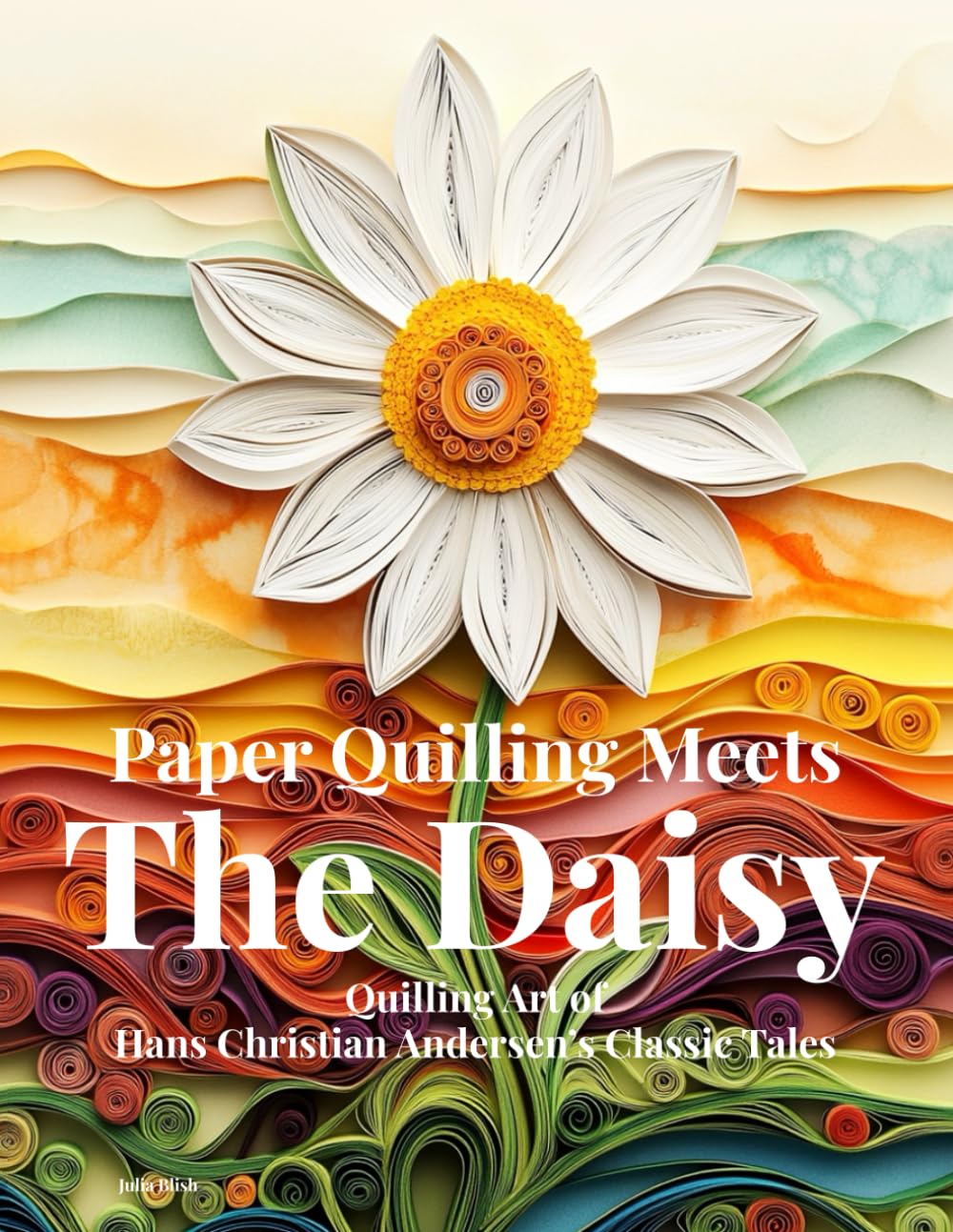
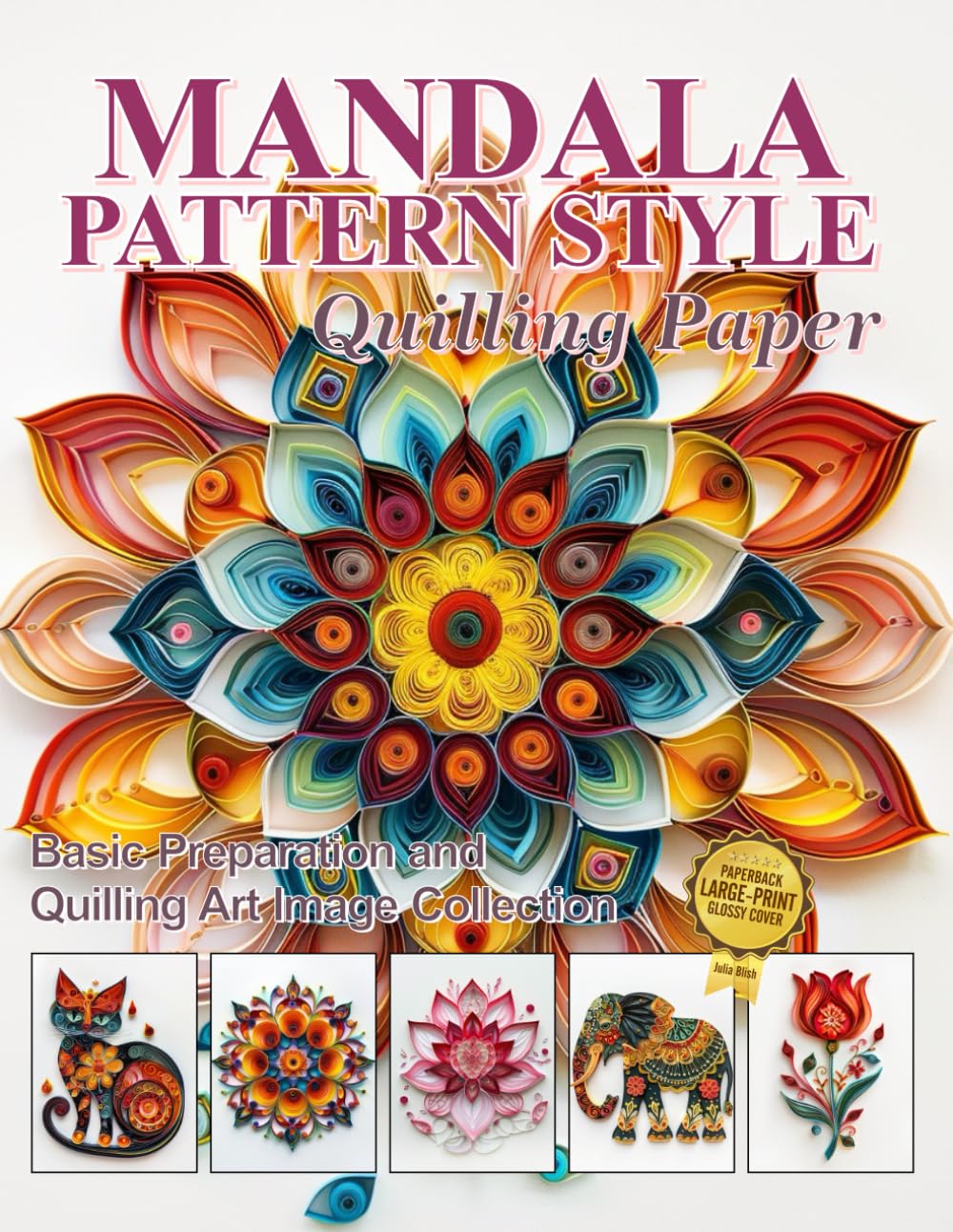
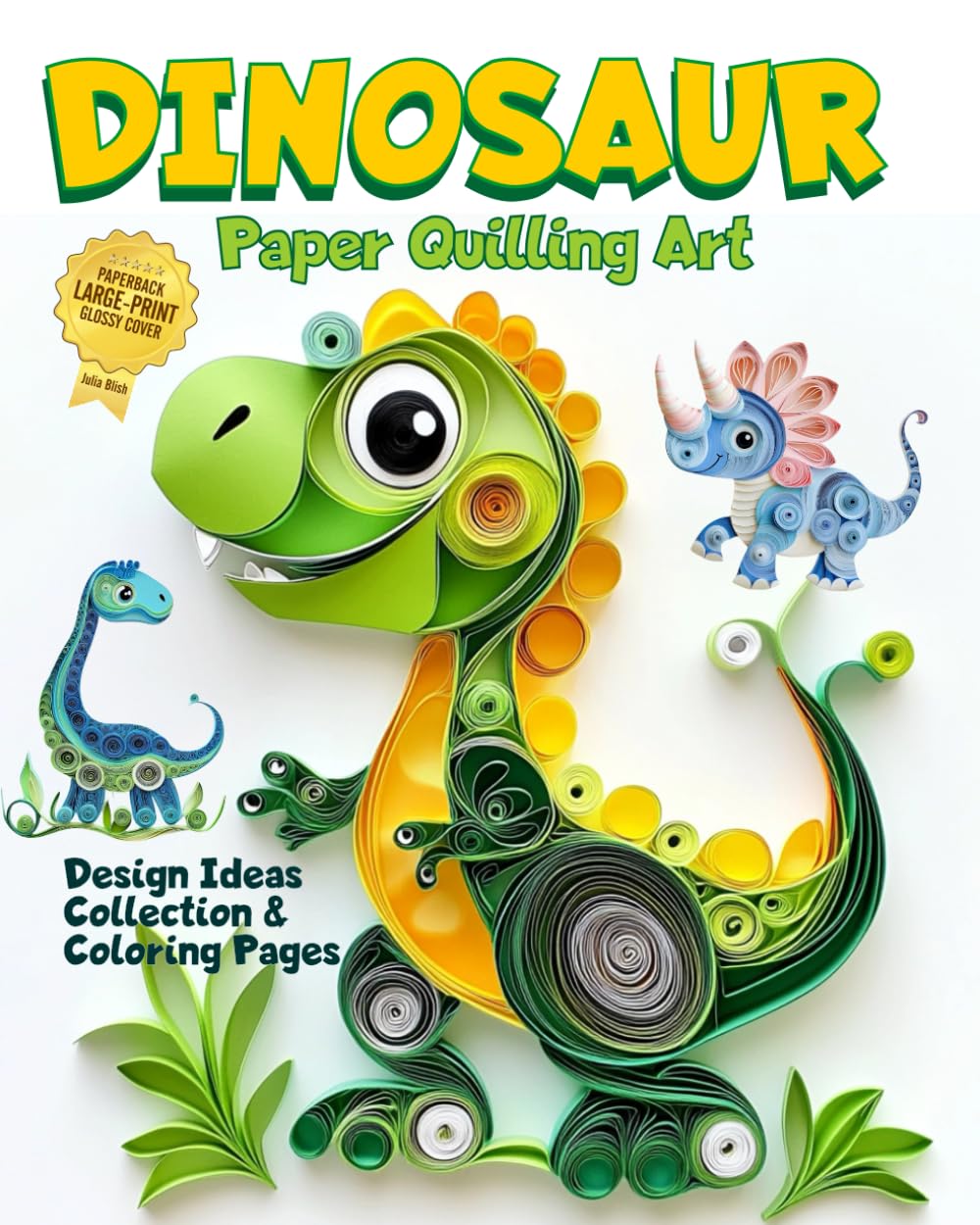
If you've been quilling, coloring, or crafting for the love of it, you may have wondered whether your work could earn a little extra income. Etsy remains one of the best places for handmade artists to find buyers who genuinely appreciate craftsmanship. Whether you make paper-quilled wall art, hand-colored prints, or one-of-a-kind greeting cards, here's how to set your shop up for success in 2026.
Start With a Clear Niche
Etsy shoppers often search for very specific things, so the clearer your niche, the easier you are to find. Instead of a generic "handmade art" shop, consider focusing on something like "paper quilled botanical art" or "hand-colored nature illustrations." A defined niche also helps you build a recognizable style, which keeps customers coming back and makes word-of-mouth referrals easier.
Photograph Your Work Like a Pro
Good photos sell handmade art more than almost anything else. Natural light near a window works beautifully for capturing the delicate shadows and dimension of paper quilling. Take photos from multiple angles, include a close-up that shows texture, and always add one image with a size reference, like a coin or a hand holding the piece. Buyers can't touch your art, so your photos need to do the convincing.
- Use a plain, neutral background so the art is the star
- Shoot during soft morning or late afternoon light
- Edit lightly for brightness, but avoid distorting true colors
- Include a lifestyle shot showing the piece framed or displayed
Write Descriptions That Tell a Story
Etsy shoppers love to know the story behind a piece. Share your process: how long the quilling took, what inspired the color palette, or what paper you used. This transparency builds trust and helps justify your pricing, since buyers understand they're investing in hours of skilled handwork rather than a mass-produced print.
Price for Your Time and Materials
Many new sellers underprice their work out of fear no one will buy it. Instead, calculate your true costs: materials, packaging, Etsy fees, and a fair hourly wage for your time. A general formula many crafters use is (materials + labor) x 2, then add shipping separately. Remember, undervaluing your art hurts not just you but the broader handmade art community.
Use Keywords Strategically
Etsy is part search engine, so your titles and tags matter enormously. Think like a buyer: what would someone type into the search bar to find your piece? Phrases like "paper quilling wall art," "handmade floral decor," or "nursery art gift" tend to perform well. Use all thirteen available tags, and weave relevant keywords naturally into your titles and descriptions.
Offer Variety Without Overextending
A shop with ten to twenty listings tends to look more established than one with just two or three. Consider offering your art in a few formats: framed originals, unframed prints, and perhaps small greeting cards featuring your designs. This gives shoppers options at different price points while keeping your workload manageable.
Package With Care
Handmade paper art is delicate, so invest in sturdy packaging with rigid mailers or small boxes for framed pieces. A handwritten thank-you note or a small care card explaining how to display quilled art (away from direct sunlight and humidity) adds a thoughtful touch that often leads to five-star reviews.
Promote Beyond Etsy
While Etsy's internal search brings in traffic, don't rely on it alone. Share your process on Instagram or Pinterest, where visually rich crafts like quilling naturally shine. Behind-the-scenes videos of you rolling paper strips or coloring intricate details can build an audience that follows you straight to your shop.
Selling art on Etsy takes patience, but with a clear niche, honest pricing, and genuine storytelling, your handmade pieces can find the audience they deserve. Start small, stay consistent, and let your craft speak for itself.